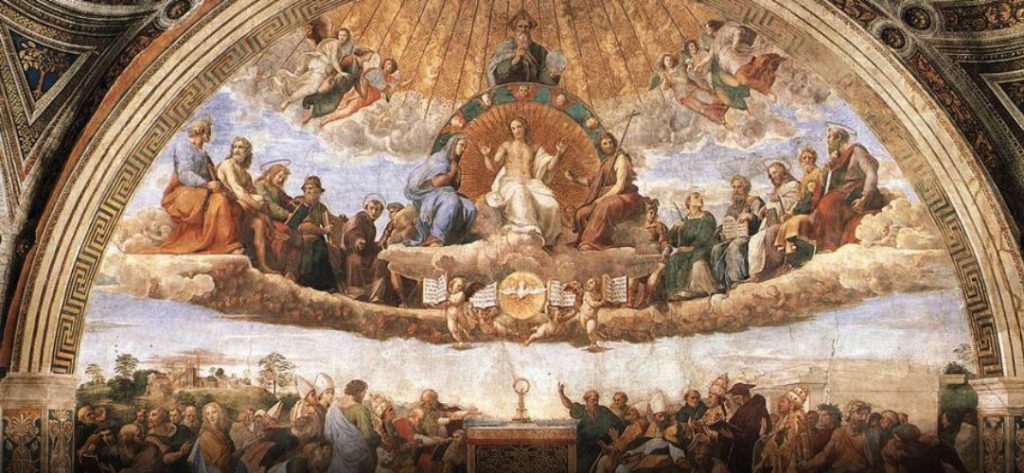
The eternal Father, by a free and hidden plan of His own wisdom and goodness, created the whole world. His plan was to raise men to a participation of the divine life. Fallen in Adam, God the Father did not leave men to themselves, but ceaselessly offered helps to salvation, in view of Christ, the Redeemer “who is the image of the invisible God, the firstborn of every creature”. All the elect, before time began, the Father “foreknew and pre- destined to become conformed to the image of His Son, that he should be the firstborn among many brethren”. He planned to assemble in the holy Church all those who would believe in Christ. Already from the beginning of the world the foreshadowing of the Church took place. It was prepared in a remarkable way throughout the history of the people of Israel and by means of the Old Covenant. In the present era of time the Church was constituted and, by the outpouring of the Spirit, was made manifest. At the end of time it will gloriously achieve completion, when, as is read in the Fathers, all the just, from Adam and “from Abel, the just one, to the last of the elect, will be gathered together with the Father in the universal Church.
The Son, therefore, came, sent by the Father. It was in Him, before the foundation of the world, that the Father chose us and predestined us to become adopted sons, for in Him it pleased the Father to re-establish all things. To carry out the will of the Father, Christ inaugurated the Kingdom of heaven on earth and revealed to us the mystery of that kingdom. By His obedience He brought about redemption. The Church, or, in other words, the kingdom of Christ now present in mystery, grows visibly through the power of God in the world. This inauguration and this growth are both symbolized by the blood and water which flowed from the open side of a crucified Jesus, and are foretold in the words of the Lord referring to His death on the Cross: “And I, if I be lifted up from the earth, will draw all things to myself”. As often as the sacrifice of the cross in which Christ our Passover was sacrificed, is celebrated on the altar, the work of our redemption is carried on, and, in the sacrament of the eucharistic bread, the unity of all believers who form one body in Christ is both expressed and brought about. All men are called to this union with Christ, who is the light of the world, from whom we go forth, through whom we live, and toward whom our whole life strains. (Lumen Gentium, 1964)
The Church
This Sacred Council, following closely in the footsteps of the First Vatican Council, with that Council teaches and declares that Jesus Christ, the eternal Shepherd, established His holy Church, having sent forth the apostles as He Himself had been sent by the Father; and He willed that their successors, namely the bishops, should be shepherds in His Church even to the consummation of the world. And in order that the episcopate itself might be one and undivided, He placed Blessed Peter over the other apostles, and instituted in him a permanent and visible source and foundation of unity of faith and communion. And all this teaching about the institution, the perpetuity, the meaning and reason for the sacred primacy of the Roman Pontiff and of his infallible magisterium, this Sacred Council again proposes to be firmly believed by all the faithful. Continuing in that same undertaking, this Council is resolved to declare and proclaim before all men the doctrine concerning bishops, the successors of the apostles, who together with the successor of Peter, the Vicar of Christ, the visible Head of the whole Church, govern the house of the living God.
The Lord Jesus, after praying to the Father, calling to Himself those whom He desired, appointed twelve to be with Him, and whom He would send to preach the Kingdom of God; and these apostles He formed after the manner of a college or a stable group, over which He placed Peter chosen from among them. He sent them first to the children of Israel and then to all nations, so that as sharers in His power they might make all peoples His disciples, and sanctify and govern them, and thus spread His Church, and by ministering to it under the guidance of the Lord, direct it all days even to the consummation of the world. And in this mission they were fully confirmed on the day of Pentecost in accordance with the Lord’s promise: “You shall receive power when the Holy Spirit comes upon you, and you shall be witnesses for me in Jerusalem, and in all Judea and in Samaria, and even to the very ends of the earth”. And the apostles, by preaching the Gospel everywhere, and it being accepted by their hearers under the influence of the Holy Spirit, gather together the universal Church, which the Lord established on the apostles and built upon blessed Peter, their chief, Christ Jesus Himself being the supreme cornerstone.
(Lumen Gentium Ch.3 18-19)
That divine mission, entrusted by Christ to the apostles, will last until the end of the world,since the Gospel they are to teach is for all time the source of all life for the Church. And for this reason the apostles, appointed as rulers in this society, took care to appoint successors.
For they not only had helpers in their ministry, but also, in order that the mission assigned to them might continue after their death, they passed on to their immediate cooperators, as it were, in the form of a testament, the duty of confirming and finishing the work begun by themselves, recommending to them that they attend to the whole flock in which the Holy Spirit placed them to shepherd the Church of God. They therefore appointed such men, and gave them the order that, when they should have died, other approved men would take up their ministry. Among those various ministries which, according to tradition, were exercised in the Church from the earliest times, the chief place belongs to the office of those who, appointed to the episcopate, by a succession running from the beginning, are passers-on of the apostolic seed. Thus, as St. Irenaeus testifies, through those who were appointed bishops by the apostles, and through their successors down in our own time, the apostolic tradition is manifested and preserved.
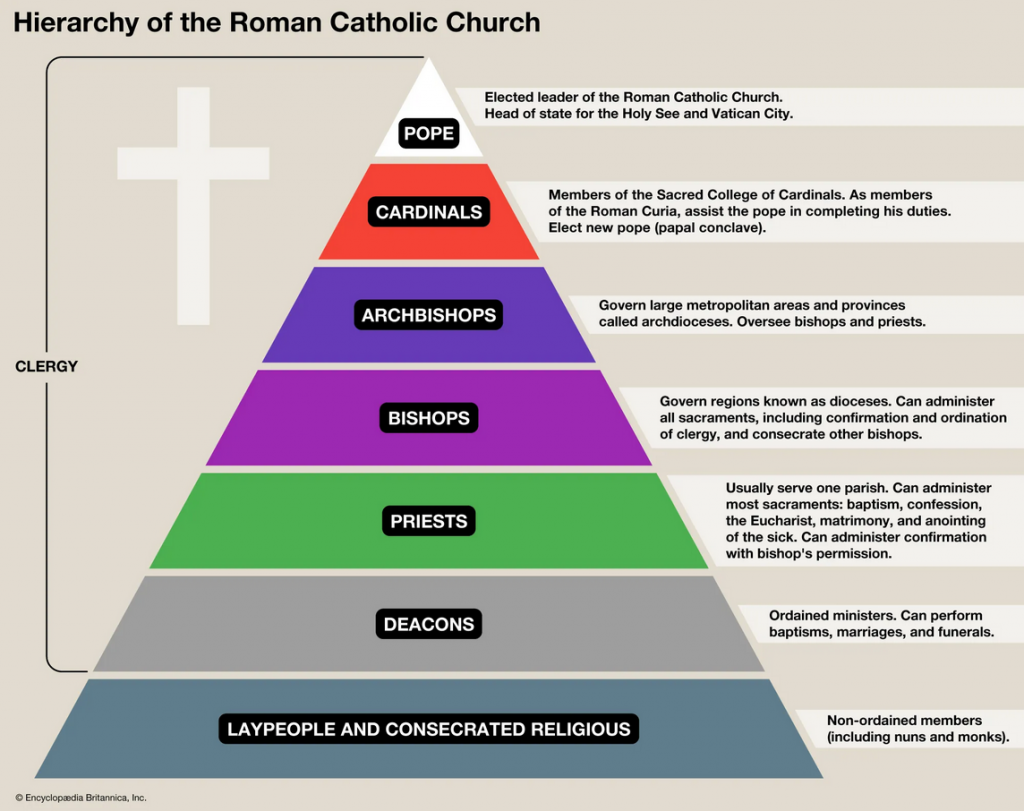
Bishops, therefore, with their helpers, the priests and deacons, have taken up the service of the community, presiding in place of God over the flock, whose shepherds they are, as teachers for doctrine, priests for sacred worship, and ministers for governing. And just as the office granted individually to Peter, the first among the apostles, is permanent and is to be transmitted to his successors, so also the apostles’ office of nurturing the Church is permanent, and is to be exercised without interruption by the sacred order of bishops. Therefore, the Sacred Council teaches that bishops by divine institution have succeeded to the place of the apostles, as shepherds of the Church, and he who hears them, hears Christ, and he who rejects them, rejects Christ and Him who sent Christ.
(Lumen Gentium, CH. 20)
The Papacy
”But the college or body of bishops has no authority unless it is understood together with the Roman Pontiff, the successor of Peter as its head. The pope’s power of primacy over all, both pastors and faithful, remains whole and intact. In virtue of his office, that is as Vicar of Christ and pastor of the whole Church, the Roman Pontiff has full, supreme and universal power over the Church. And he is always free to exercise this power. The order of bishops, which succeeds to the college of apostles and gives this apostolic body continued existence, is also the subject of supreme and full power over the universal Church, provided we understand this body together with its head the Roman Pontiff and never without this head. This power can be exercised only with the consent of the Roman Pontiff. For our Lord placed Simon alone as the rock and the bearer of the keys of the Church and made him shepherd of the whole flock; it is evident, however, that the power of binding and loosing, which was given to Peter was granted also to the college of apostles, joined with their head.”
Lumen Gentium. Ch 22
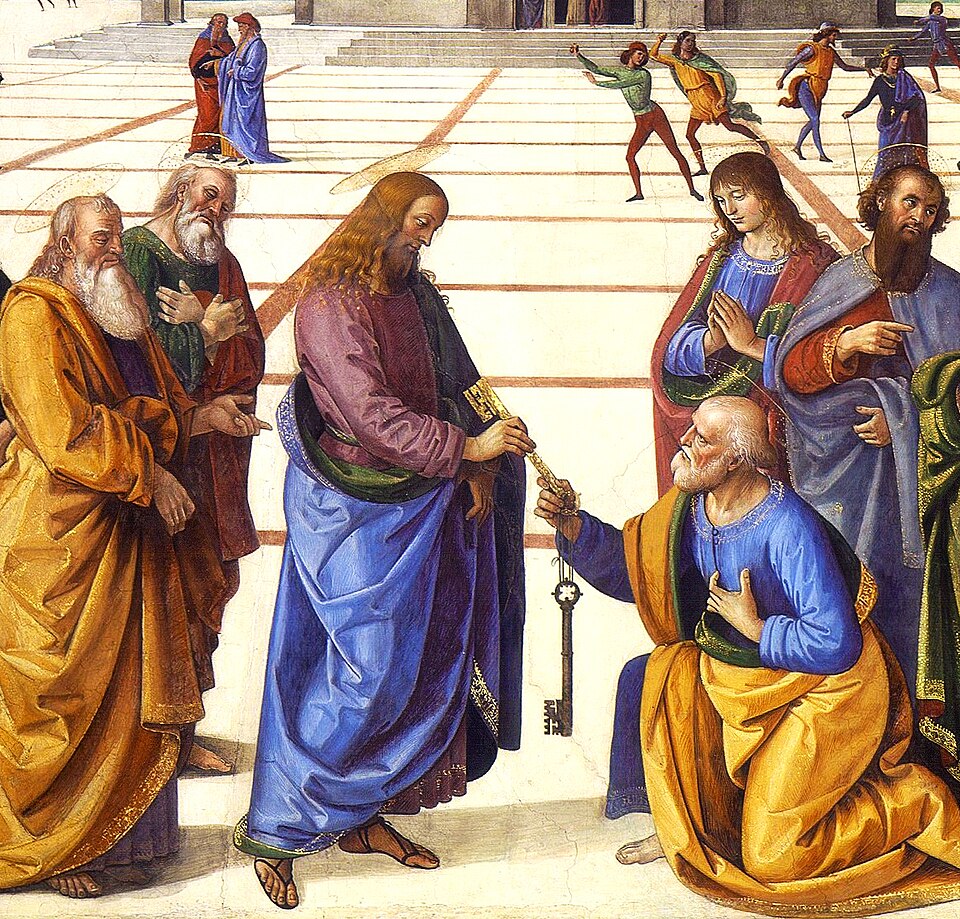
“And I tell you, you are Peter and on this rock I will build my church, and the gates of Hades will not prevail against it. I will give you the keys of the kingdom of heaven, and whatever you bind on earth will be bound in heaven, and whatever you loose on earth will be loosed in heaven.” (Matthew 16:18-19)
“When they had finished breakfast, Jesus said to Simon Peter, “Simon son of John, do you love me more than these?” He said to him, “Yes, Lord; you know that I love you.” Jesus said to him, “Feed my lambs.” A second time he said to him, “Simon son of John, do you love me?” He said to him, “Yes, Lord; you know that I love you.” Jesus said to him, “Tend my sheep.” He said to him the third time, “Simon son of John, do you love me?” Peter felt hurt because he said to him the third time, “Do you love me?” And he said to him, “Lord, you know everything; you know that I love you.” Jesus said to him, “Feed my sheep.” (John 21:15-17)
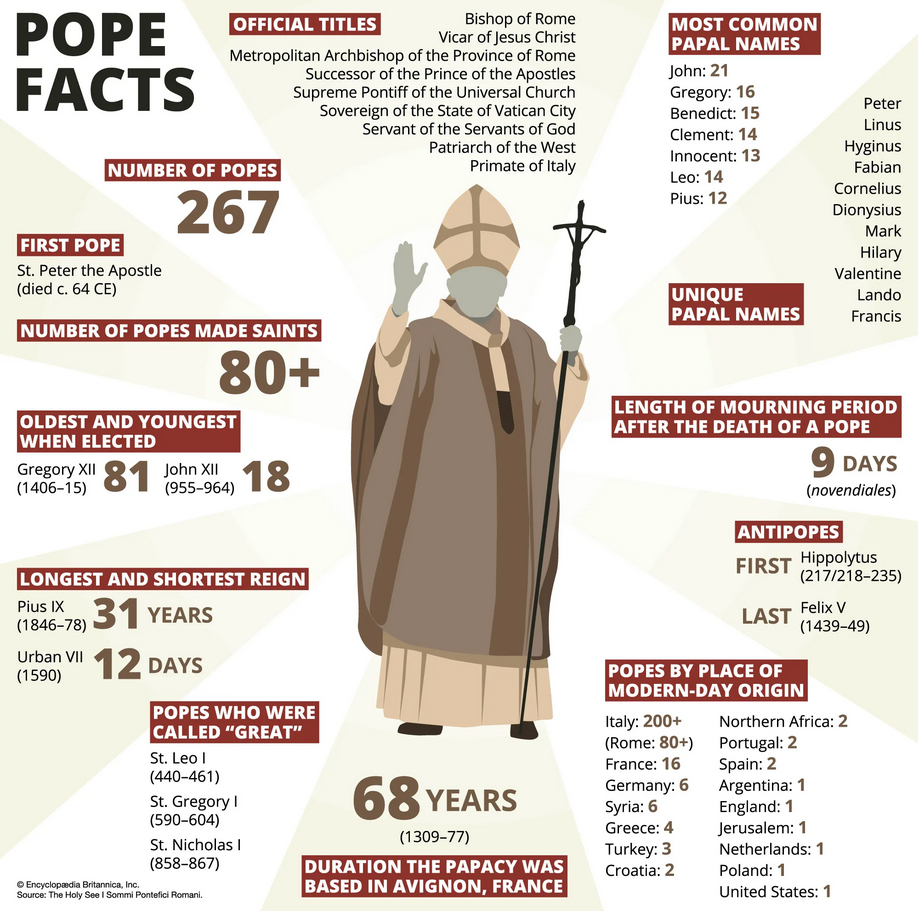
- There have been 267 popes in the history of the Catholic Church, from St Peter (considered the first) to the current Pope Leo XIV.
- Interesting video explaining every pope from St Peter to Pope Francis https://www.youtube.com/watch?v=wtME4bQczdo
- This is another useful website outlining all popes https://www.papalencyclicals.net/popelist
- Further good source is the book ‘A History of the Popes – From Peter to the Present’ by John W. O’Malley
Examples of significant and current Popes
Pope St. Leo I (Leo the Great) Reign 440 – 461
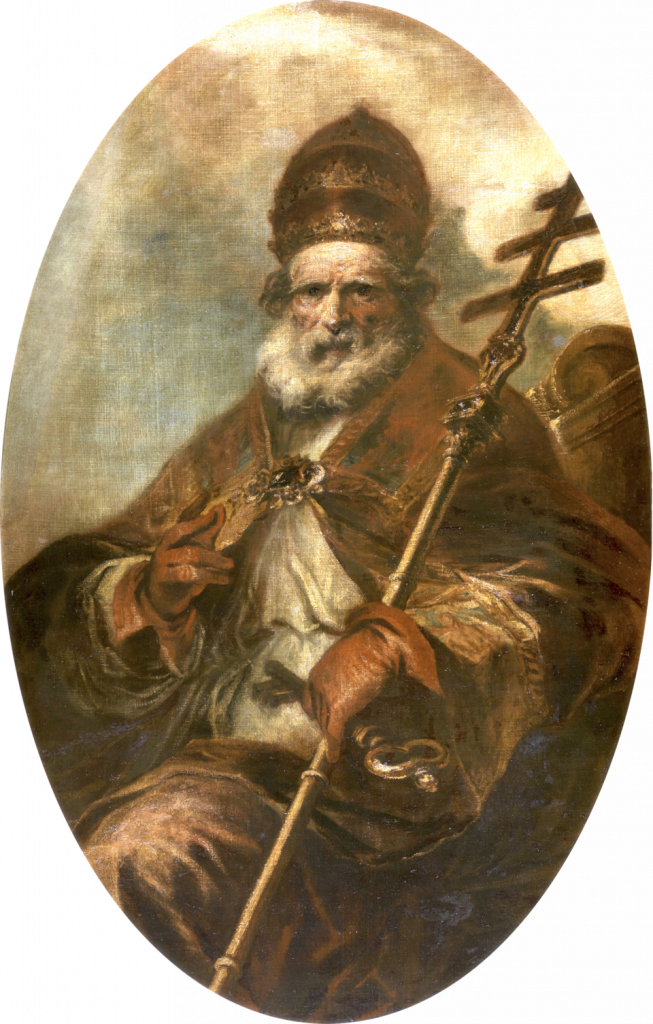
Leo’s impact on the church was both strategic and tactical. He did much to ensure the continuation of the papacy with a doctrinal message that established that Christ was both fully human and fully divine, a matter that had been the subject of much theological dispute. When, in 451, the Council of Chalcedon accepted Leo’s doctrine as “the voice of Peter,” it further enhanced Leo’s position that all popes were direct successors of Peter. Such a position solidified the notion of papal superiority, which continues to this day.
Leo also helped secure the role of the papacy in the Western World when he managed to dissuade the Huns and the Vandals from attacking Rome.
Pope St. Gregory I (St Gregory the Great) Reign 590 – 604
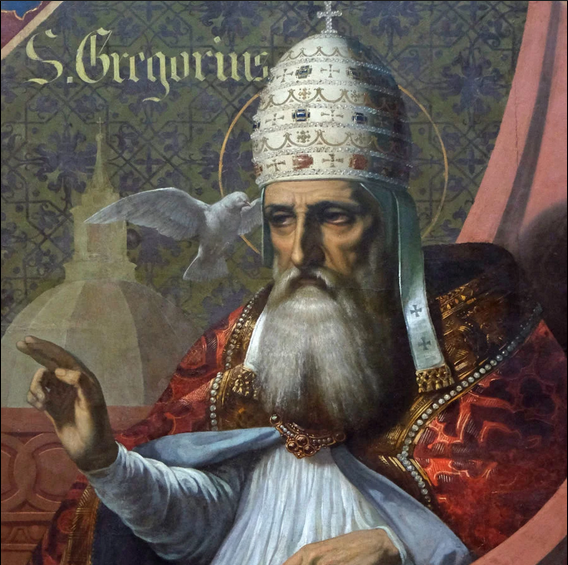
Gregory’s papacy was one in which he navigated considerable tension between the Roman Church and the Byzantine Church in Constantinople. Known for his administrative and diplomatic prowess, Gregory also pursued a theological mission rooted in his monastic life. In calling himself “servant of the servants of God,” he engendered ire from some who argued that he was diminishing the power of his role. He advocated that the Gospel message be “preached to all parts of the world” but said that his goal was less to promote the global interests of the church than “to relieve the poor in their distress and especially to protect them from oppression.”
He implemented policies that put that goal into practice, allowing poor farmers to inherit land. He also used papal funds to help the needy. Notably he also tolerated slavery and believed that Jews would ultimately be converted to Christianity.
Pope Sixtus IV Reign 1471 – 1484
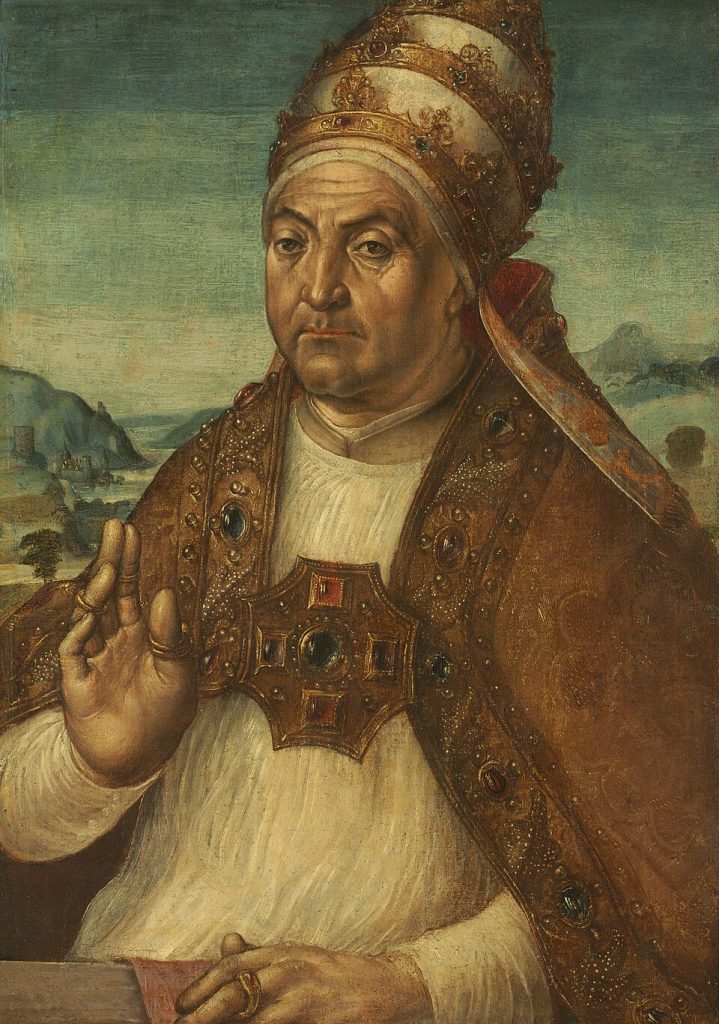
Sixtus’s contributions as pope were less in the realm of spiritual leadership than in Italian politics of the day, the instilling of power within his family, and the building of the Sistine Chapel. He gave his nephews enormous leeway in matters of state—including in executing a plot against the Medici family, confirming his belief in nepotism. (The term nepotism has its roots in the Latin word for nephew or grandson.)
Sixtus was also responsible for the building of hospitals and the repair and building of churches, none more famous than the Sistine Chapel, for which some of the greatest Renaissance painters, including Sandro Botticelli and Perugino, were commissioned. (Michelangelo’s The Last Judgment was painted for Pope Paul III) Named for Sixtus, the Sistine Chapel is known as the pope’s chapel and is used by the Sacred College of Cardinals for its election of a new pope when there is a vacancy.
Pope Paul III Reign 1534 – 1549
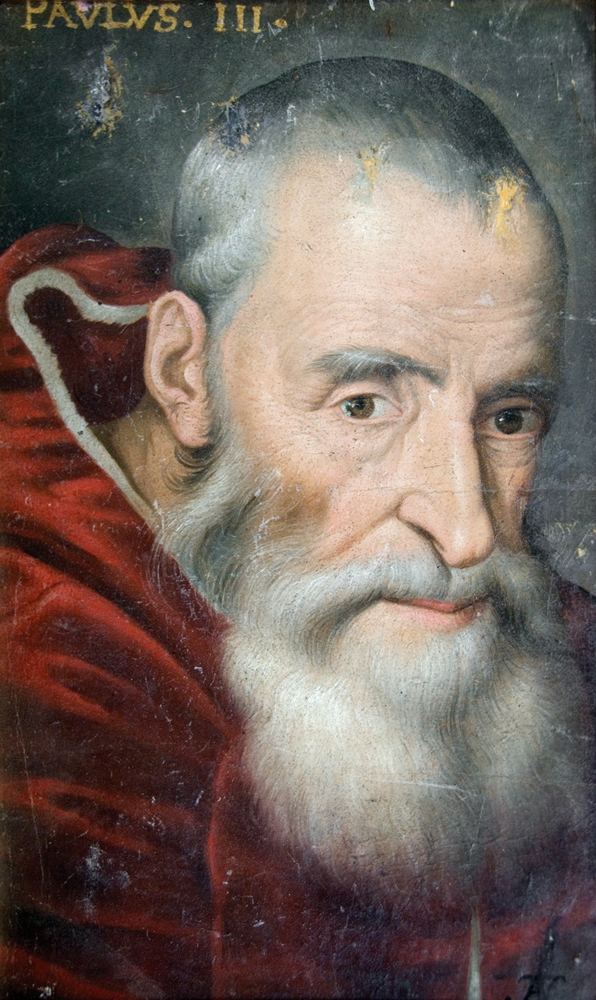
Paul III was a determined reformer of the Roman Catholic Church who called the Council of Trent in 1536 in response to the Protestant Reformation. (The fact that the council wouldn’t convene until 1545 is a testament to Paul’s willingness to play the long game when it came to the Counter-Reformation.) During the council, a number of fundamental doctrinal matters were decided, including the number of sacraments (seven) and the nature of original sin. The council affirmed the belief that the move from a state of sin to grace must be “justified” by both faith and works. Paul also examined clerical abuses and established seminaries for training priests.
A devoted man of the arts, Paul heavily subsidized the Vatican Library, restored the University of Rome, and cajoled Michelangelo into finishing The Last Judgment in the Sistine Chapel and finalizing the architectural plans for St. Peter’s Basilica.
Pope Pius IX (Blessed Pius IX) Reign 1846 – 1878
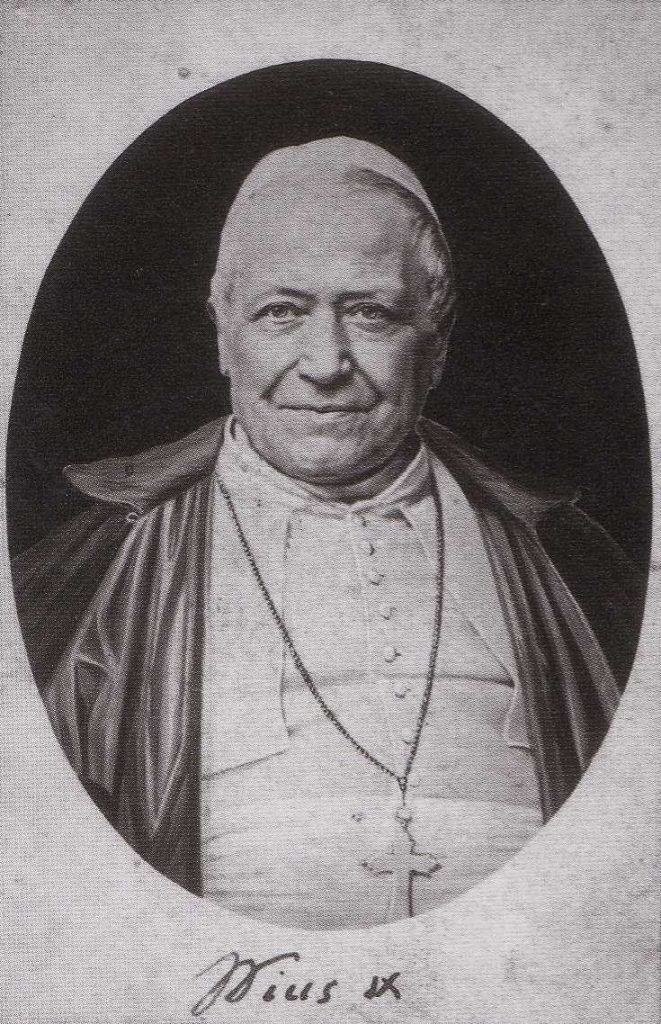
Pius IX’s papacy lasted more than 31 years 7 months, making it the longest in history. It also may have been the most consequential in that it brought forth the doctrine of papal infallibility during the First Vatican Council (1869–70). The council was called to deal with what Pius considered the rising problems of contemporary society and the expectations of the church to modernize. He pressed for the doctrine, which holds that the pope, as a direct successor of St. Peter, cannot be wrong in statements about faith. The proclamation was hotly debated during the council and continues to be a subject of controversy in the modern Roman Catholic Church, but it can also be seen as a natural outgrowth of St. Leo I’s doctrine.
Pius IX also codified the long-held belief that Mary had been born without original sin with the establishment on December 8, 1854, of the doctrine of the Immaculate Conception.
Pope Leo XIII Reign 1878 – 1903
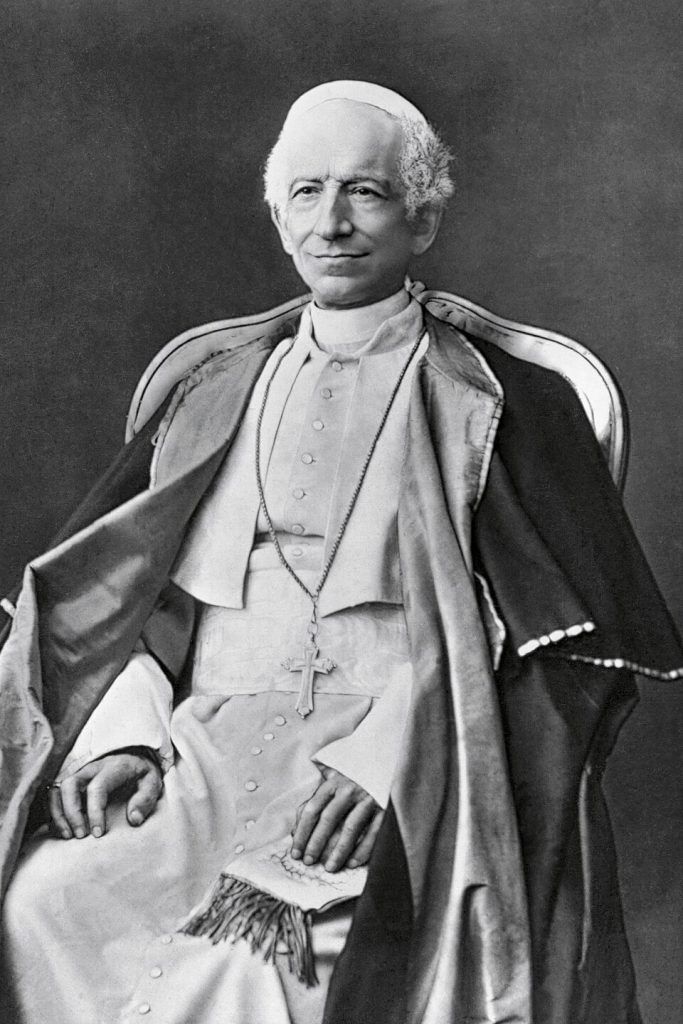
Leo XIII was Pius IX’s immediate successor and a man more deeply committed than his successor to understanding the church’s place in the broader world. In his 1891 encyclical Rerum Novarum (“Of New Things”), he ruffled the feathers of conservative Roman Catholics by what was seen as a progressive doctrine in the context of 19th-century Roman Catholicism. In part, it laid out the church’s position on social justice issues, including problems fostered by the Industrial Revolution. It went on to declare the church’s right to make statements on social issues as they related to moral questions. Leo XIII’s positions served as a blueprint for the work of 20th- and 21st-century pontiffs on Roman Catholic social teaching.
Pope St. John XXIII Reign 1958 – 1963
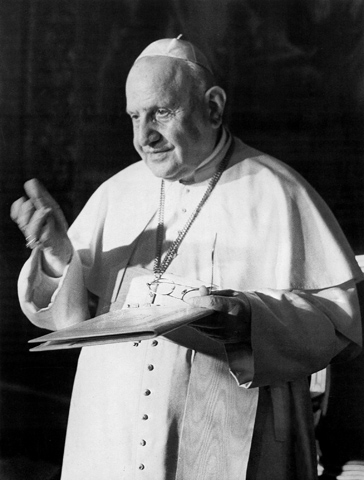
Perhaps no pontiff had more impact on the church in less time than John XXIII. He openly admitted the need for the church to be more up-to-date and called for a Second Vatican Council (1962–65) to achieve that. Despite internal opposition—including some who sought to delay the council in the expectation that the aged pontiff would soon die—John XXIII presided over a meeting with the express purpose to “bring the church up to date.” The impacts of Vatican II, as the council became known, included the mass to be said in native languages (not just Latin), increased roles for laypeople within the church, and greater willingness for the church to be part of the modern world.
All of this was achieved with what John XXIII characterized as “a New Pentecost,” an outpouring of the Holy Spirit. John XXIII was the author of an encyclical entitled Pacem in Terris (“Peace on Earth”), which called on peaceful coexistence between East and West. He also initiated work—to be completed after his death—on the Nostra Aetate, which recognized Judaism and Islam and decried antisemitism. For all his doctrinal achievements, the most profound impact of John XXIII may have come from a temperament that led him to be seen as one of the most beloved men of his time. It is captured in an exchange he had with a communist diplomat: “I know you are an atheist, but won’t you accept an old man’s blessing?”
Pope St. John Paul II Reign 1978 – 2005
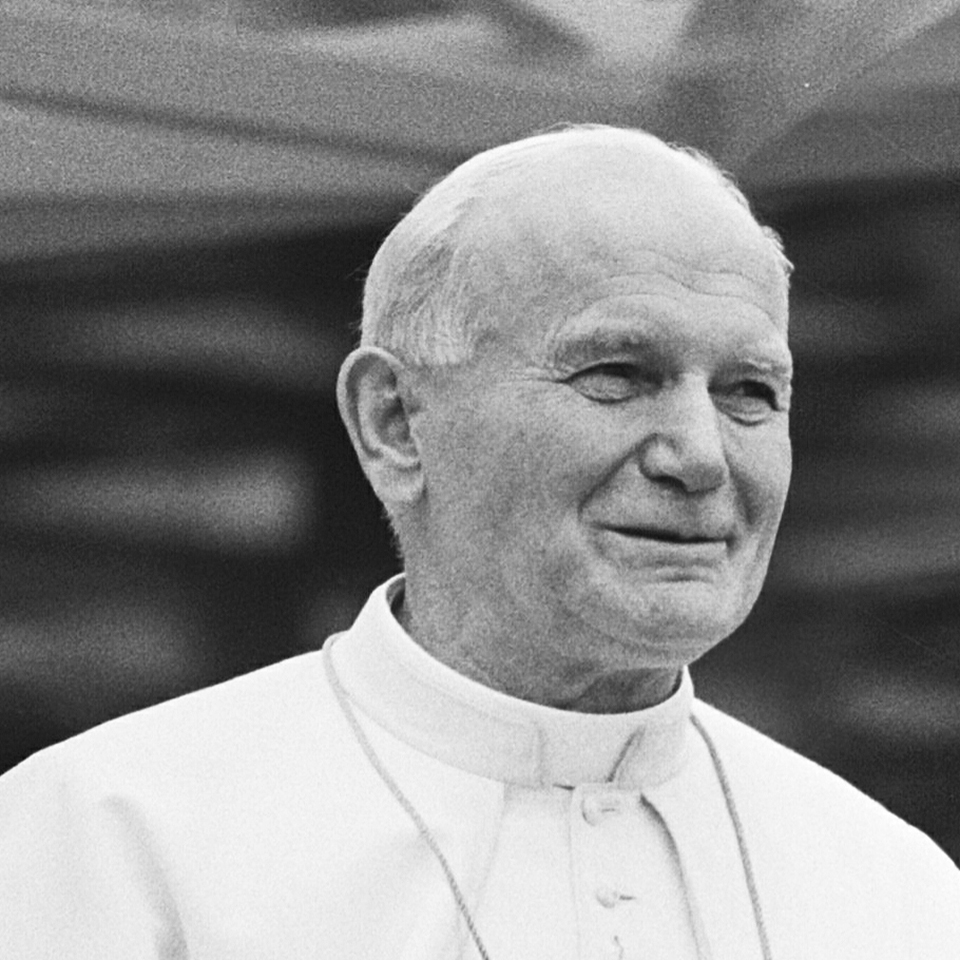
Known in the earliest days of his papacy as “the Polish pope,” John Paul II became a global pontiff, traveling more than any other pope, often speaking to people in their native tongues. He was also a study in contrasts—taking some positions that were seen as progressive, including offering public apologies to groups that historically had been wronged by Roman Catholics, most notably Jews and Muslims. His love of his native land led him to support nonviolent political activism, including that of the Solidarity movement in its fight against communism. He often spoke against violence (he was the victim of an assassination attempt in 1981) and the need for the recognition of human dignity. But the papacy of John Paul II was also marked by a highly centralized style of governance, which some saw as autocratic. His traditional interpretations of church teachings on personal and sexual morality alienated some segments of the laity.
Pope Benedict XVI Reign 2005 – 2013
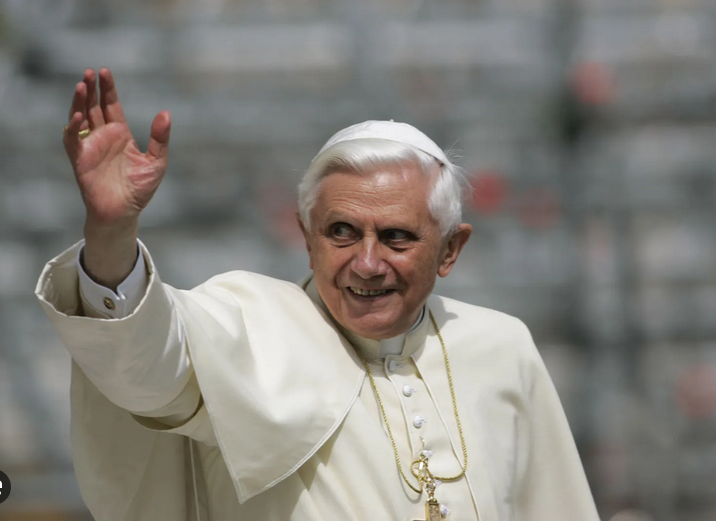
Benedict XVI (born April 16, 1927, Marktl am Inn, Germany—died December 31, 2022, Vatican City) was the bishop of Rome and head of the Roman Catholic Church from 2005 to 2013. Prior to his election as pope, Benedict led a distinguished career as a theologian and as prefect of the Congregation for the Doctrine of the Faith. His papacy faced several challenges, including a decline in vocations and church attendance, divisive debates concerning the direction of the church, and the effects of the scandal beginning in the late 1990s surrounding the church’s handling of numerous cases of sexual abuse by priests. Citing health issues, in 2013 he became the first pope to resign since Gregory XII in 1415.
Pope Francis Reign 2013 – 2025
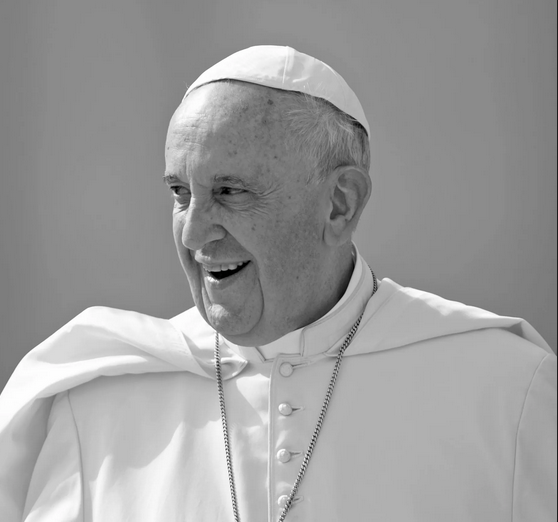
Francis (born December 17, 1936, Buenos Aires, Argentina—died April 21, 2025, Vatican City) ushered in a new era of leadership in the Roman Catholic Church when he was elected pope in 2013. As the first pope from the Western Hemisphere, the first from South America, and the first from the Jesuit order, Francis brought many reforms to the church and a reputation for humility. His significant achievements include the papal encyclical Laudato Si’ (“Praise Be to You”; 2015) which addresses the climate crisis and champions environmental stewardship; his efforts to promote unity between Catholics, non-Catholics, and non-Christians; and his historic apologies to survivors of clergy sexual abuse. A tireless advocate for migrants and many other marginalized people, Francis shaped the church from the outset of his papacy according to his vision of “a poor church for the poor.”
Pope Leo XIV Reign 2025 – current
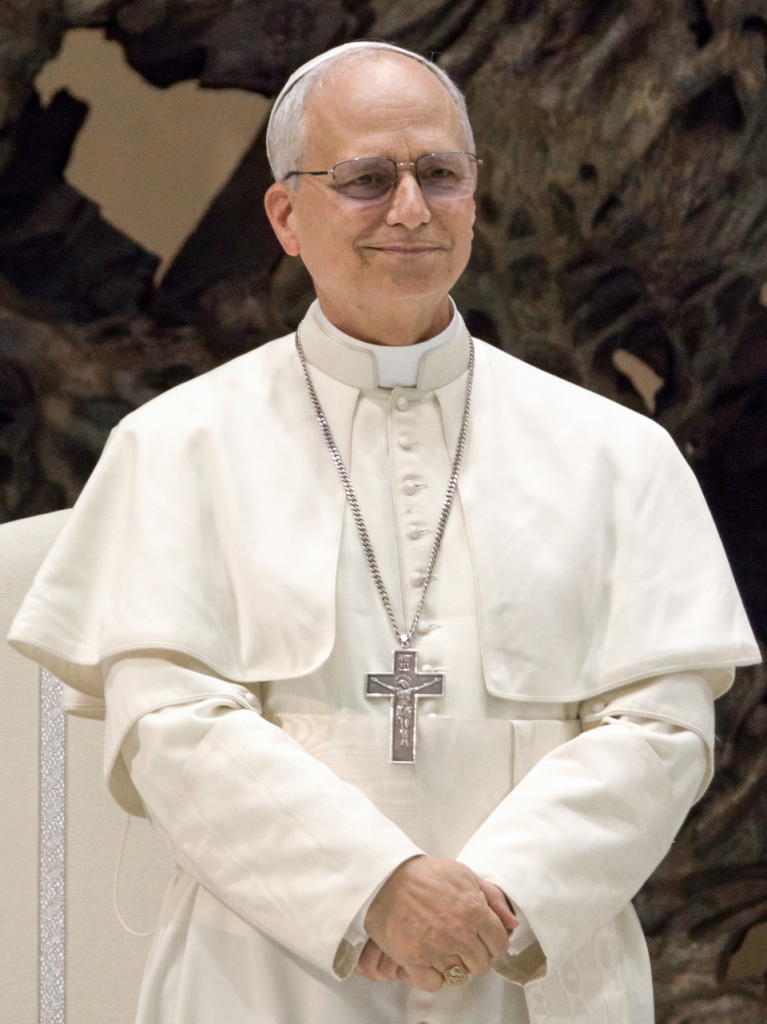
Leo XIV (born September 14, 1955, Chicago, Illinois, U.S.) is the pope, the leader of the Roman Catholic Church. He was elected to the papacy on May 8, 2025, succeeding Pope Francis and becoming the first American pope in history. An Augustinian priest who performed extensive missionary work in Peru and served as head of the Augustinian order from 2001 to 2013, he was made a cardinal by Francis in 2023. He brings a reputation for being a fair, deft administrator and a political moderate, and he is expected to continue his predecessor’s agenda for the church.
Church Councils
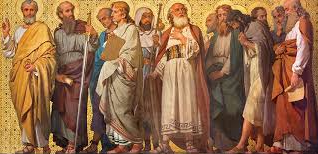
To be deep into history, John Henry Newman wrote, is to cease to be a Protestant. Put another way, to be deep into history is to become stronger in the Catholic faith.
To make that journey into the history of our faith is to discover anew its most basic tenets. Who was Jesus really? How can God be three persons in one being? What is the proper role of the Church in salvation? And how does Mary fit into all this?
These questions, and many more, were raised and answered in the ecumenical, or universal, Church councils.
Ironically, one key to understanding the orthodox teachings of these councils is heresy. The councils, especially the earliest ones, were essentially anti-heresy conventions, called to sort the wheat of dogma from the chaff of heresy. This could be a dizzying and disorderly process: no sooner had one bastion of orthodoxy had been defended, than the Church had to rush to the defense of another. So, while one council had to correct heretics who falsely divided Christ into two persons, the next council had to make a course correction in the other direction, reining in heretics who falsely united His human and divine natures into one.
“To have fallen into any one of the fads from Gnosticism to Christian Science would indeed have been obvious and tame,” G. K. Chesterton wrote in Orthodoxy. “But to have avoided them all has been one whirling adventure; and in my vision the heavenly chariot flies thundering through the ages, the dull heresies sprawling and prostrate, the wild truth reeling but erect.”
In all, there were 21 ecumenical councils. All were important in their time, but only some of them stand out for the lasting significance they have had on the faith and life of the Church today.
More in-depth information can be found here: https://www.papalencyclicals.net/councils
The First Council of Nicaea, AD 325
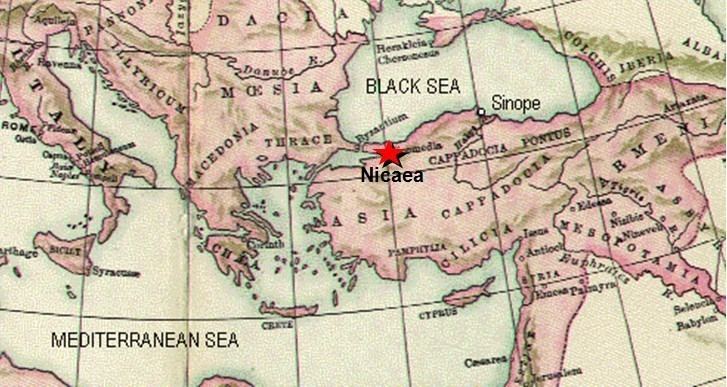
The first ecumenical council of the Christian church. It was called by the roman emperor Constantine I, an unbaptized catechumen, who presided over the opening session and took part in the discussions. Pope Sylvester I did not attend the council but was represented by legates.
One of the earliest heresies to rear its head was Arianism, which asserted that Christ was created by the Father and later adopted as His Son. Refuting this heresy—by declaring Christ one in being with the Father—was the chief task of the Council of Nicaea.
The council (with reluctance on the part of some) incorporated the nonscriptural word homoousios (Greek: “of one substance”) into a creed to signify the absolute equality of the Son with the Father. In the process, the Nicene Creed was born.
First Council of Constantinople, AD 381
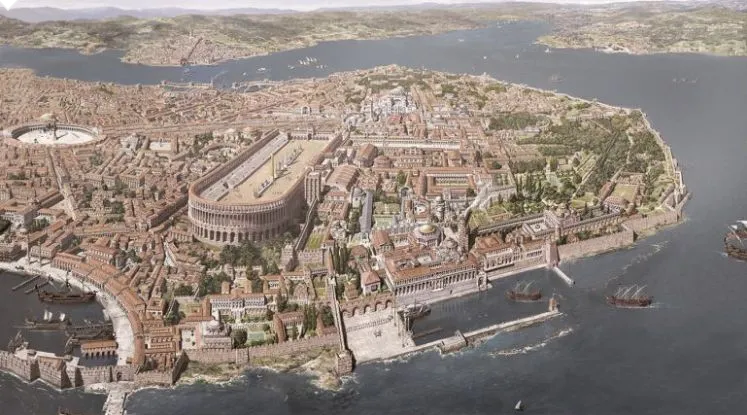
The second ecumenical council of the Christian church, summoned by the emperor Theodosius I and meeting in Constantinople. Doctrinally, it adopted what became known to the church as the Niceno-Constantinopolitan Creed (commonly referred to as the Nicene Creed), which effectively affirmed and developed the creed earlier promulgated at the First Council of Nicaea in 325.
The Council of Constantinople also declared finally the Trinitarian doctrine of the equality of the Holy Spirit with the Father and the Son.
Council of Ephesus, AD431
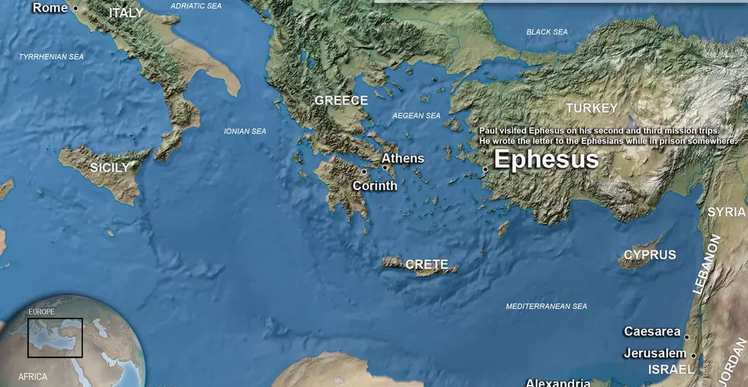
The third ecumenical council was convened by emperor Theodosius II to address the theological controversy surrounding Nestorianism.
Major themes were the condemnation of Nestorius, Patriarch of Constantinople, who refused calling Mary Theotokos preferring the term Christotokos insisting that Mary gave birth to Christ, not God. The Council objected to making such distinctions between the divine and human natures of Jesus.
This Council also confirmed the rejection of one of the most insidious of heresies in Christian history—Pelagianism, which denied original sin and said men can use their free will to attain salvation on their own merits, without God’s grace.
Council of Chalcedon, AD 451
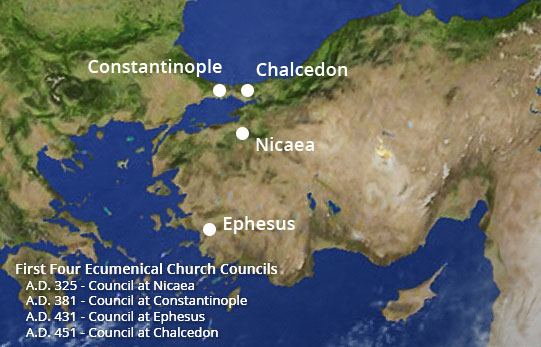
The Council of Chalcedon, held in 451 AD near Constantinople, was the fourth ecumenical council convoked by Emperor Marcian to address the nature of Christ. It established the “Chalcedonian Definition,” affirming that Jesus is one person with two distinct natures—fully divine and fully human—without confusion or change.
The council approved the Tome of Pope Leo I, which defended the “two natures” doctrine, alongside letters from Cyril of Alexandria. This defined Christ as having a rational soul and body, being consubstantial with the Father in divinity and with humanity in humanity. It solidified the orthodox understanding of the incarnation for the Roman Catholic, Eastern Orthodox, and many Protestant traditions. However, the Council of Chalcedon resulted in a lasting theological divide, leading to the separation of the Oriental Orthodox churches, which did not accept the “two natures” definition.
Oriental Orthodox Churches are a communion of ancient Eastern Christian churches (Coptic, Ethiopian, Eritrean, Armenian, Syriac, Indian) that follow Miaphysite theology, accepting the first three Ecumenical Councils (Nicaea, Constantinople, Ephesus) but rejecting the Council of Chalcedon (451 AD) definition of Christ’s natures.
Third Council of Constantinople, AD 680
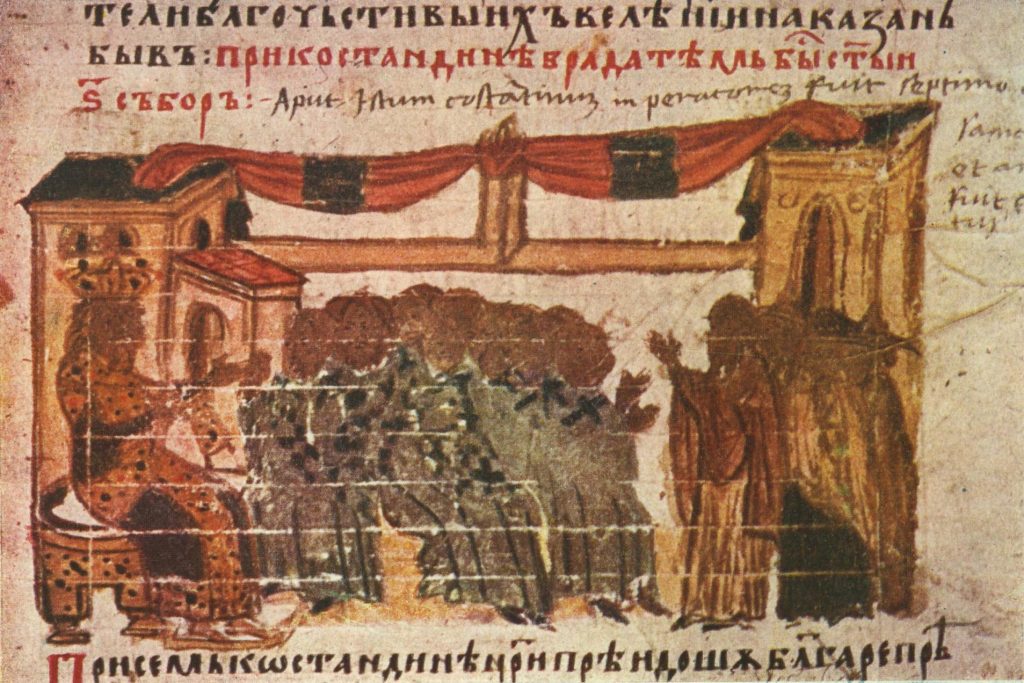
The Third Council of Constantinople (680–681), also known as the Sixth Ecumenical Council, was a pivotal gathering in early Christian history that addressed the nature of Jesus Christ’s will and energy. Summoned by Byzantine Emperor Constantine IV, the council met in the Trullus (domed hall) of the imperial palace in Constantinople from 7 November 680 to 16 September 681.
The council was called to settle the Monothelite controversy, which proposed that Christ had two natures (divine and human) but only one will (divine). This doctrine was an attempt by earlier emperors to reconcile with Monophysite Christians but was seen by others as denying Christ’s full humanity.
The council officially condemned Monothelitism and Monoenergism (the belief in one single energy) as heretical. It defined that Jesus Christ possesses two natural wills and two natural operations (divine and human). It emphasized that the human will is not in opposition but is submissive to the divine will.
The council took the rare step of anathematizing (excommunicating) several high-ranking figures, including Pope Honorius I and four previous Patriarchs of Constantinople, for their roles in supporting or failing to condemn the heresy. It posthumously restored the reputations of Maximus the Confessor and Pope Martin I, who had previously been persecuted and died in exile for opposing Monothelitism.
Second Council of Nicaea, AD 787
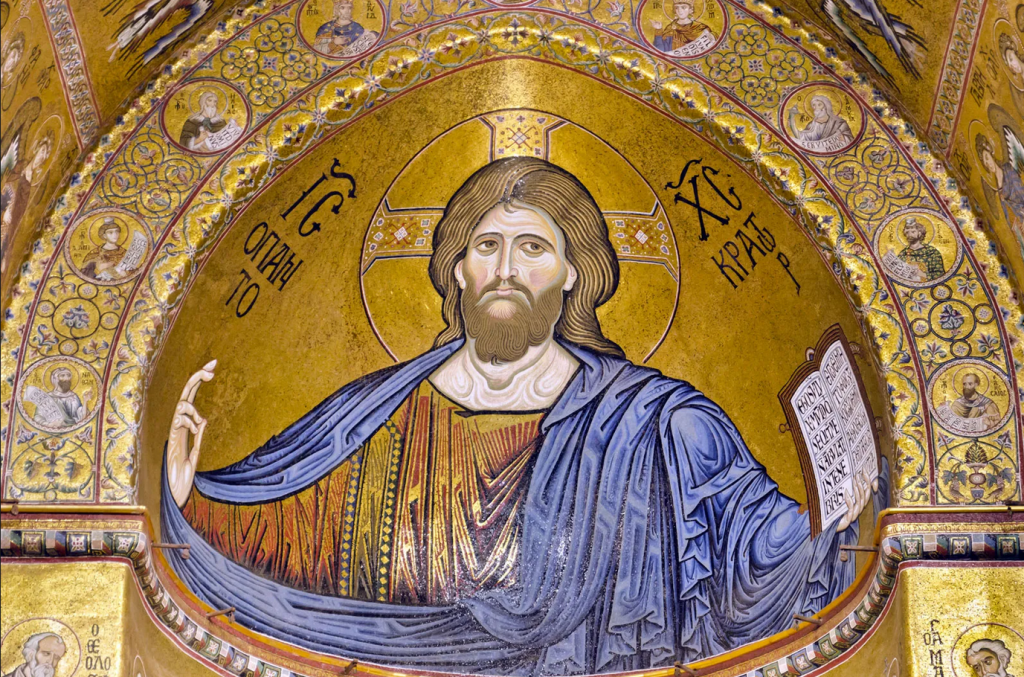
The Second Council of Nicaea (787 AD), recognized as the seventh ecumenical council by Catholic and Eastern Orthodox churches, restored the veneration of icons and ended the first Iconoclastic Controversy. Convened by Empress Irene and Constantine VI, the council declared that images of Jesus, Mary, and saints deserve honor (proskynesis/doulia) but not adoration (latreia), which is reserved for God.
It sought to reverse the 754 Council of Hieria, which had banned icons under Emperor Constantine V. The council argued that because God became human through the Incarnation, representing Christ in art is legitimate.
This council declared that venerating icons was not only permissible, but also necessary. And it lambasted anyone who claimed that veneration was akin to worship of God or that veneration of icons violated the Old Testament commandment against worshipping false idols. The decisions were initially rejected by Charlemagne’s Council of Frankfurt (794) but ultimately affirmed, cementing the role of icons in Orthodox and Catholic traditions.
Fourth Lateran Council, AD1215
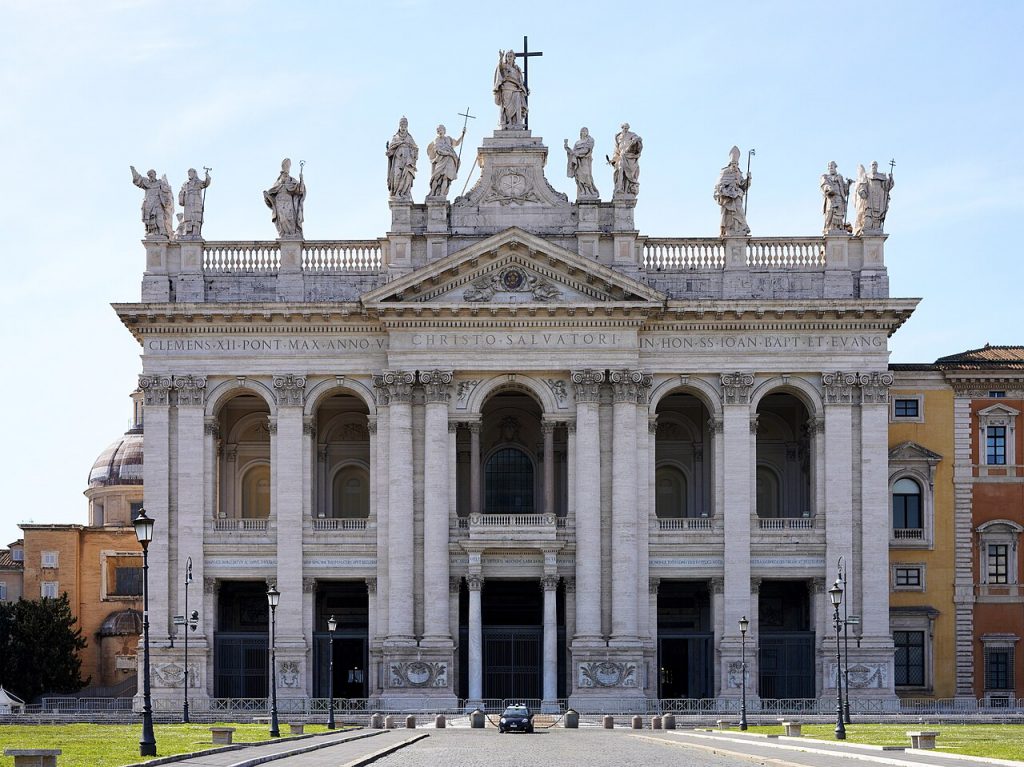
The Fourth Lateran Council (1215), convoked by Pope Innocent III, was a landmark 13th-century ecumenical council that profoundly reformed the Catholic Church and consolidated papal authority. It instituted mandatory annual confession and Communion, defined the dogma of transubstantiation, and established strict regulations for Jews and Muslims, including distinctive clothing.
Key Aspects of the Fourth Lateran Council
- Convening and Purpose: Called by Pope Innocent III in 1213, it opened in Rome on November 11, 1215, at the Lateran Palace, with over 2,280 participants, including bishops, abbots, and representatives from European monarchs. The goals were church reform, strengthening faith against heresies, and launching a new crusade.
- Major Decrees and Canons: The council produced 70 canons aimed at regulating Church life and morals.
- Transubstantiation (Canon 1): Formally defined the doctrine that bread and wine are transformed into the body and blood of Christ.
- Sacramental Practice (Canon 21): Mandated that all faithful must confess their sins to their parish priest and receive Communion at least once a year during Easter.
- Condemnation of Heresy (Canon 3): Specifically condemned the Cathari and Waldenses, urging secular authorities to expel heretics.
- Clerical Reform: Addressed corrupt practices, requiring higher standards for clergy, forbidding the sale of relics, and restricting the expansion of new religious orders.
The Fourth Lateran Council, often regarded as the most significant council before the Council of Trent, solidified the “papal monarchy” and shaped Catholic life, law, and theology for centuries.
Council of Trent, AD 1545
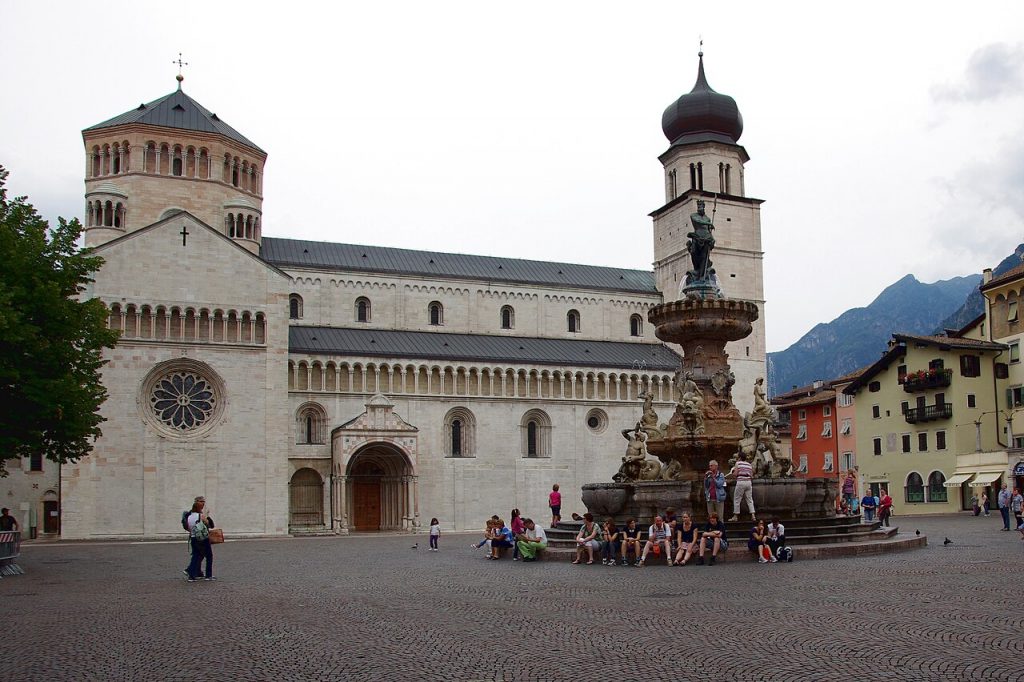
The Council of Trent (1545–1563) was a pivotal ecumenical council of the Roman Catholic Church in northern Italy that initiated the Counter-Reformation. It aimed to counter the Protestant Reformation by reforming internal church corruption and clarifying key doctrines—such as salvation by faith and works, the seven sacraments, and transubstantiation—shaping Catholic theology for centuries.
Key Aspects and Outcomes:
- Context: Convoked by Pope Paul III in 1545, the council met in three main, discontinuous periods (1545–1547, 1551–1552, 1562–1563) in Trent.
- Doctrinal Clarification: The Council firmly rejected Protestant doctrines of sola fide (faith alone) and sola scriptura (Scripture alone), affirming that both Scripture and tradition are sources of authority, and that faith must be accompanied by good works for justification
- Reaffirmation of Sacraments: Seven sacraments were affirmed as necessary, along with the doctrines of purgatory, the veneration of saints and relics, and the authority of the Pope.
- Institutional Reform: The Council addressed corruption by banning the sale of indulgences, prohibiting the holding of multiple, simultaneous bishoprics (pluralism), and ordering the establishment of seminaries for better training of priests.
- Legacy: The Council solidified the division between Catholic and Protestant, revitalized the Catholic Church, and defined modern Roman Catholicism.
Vatican I , AD 1869
Accordion Content
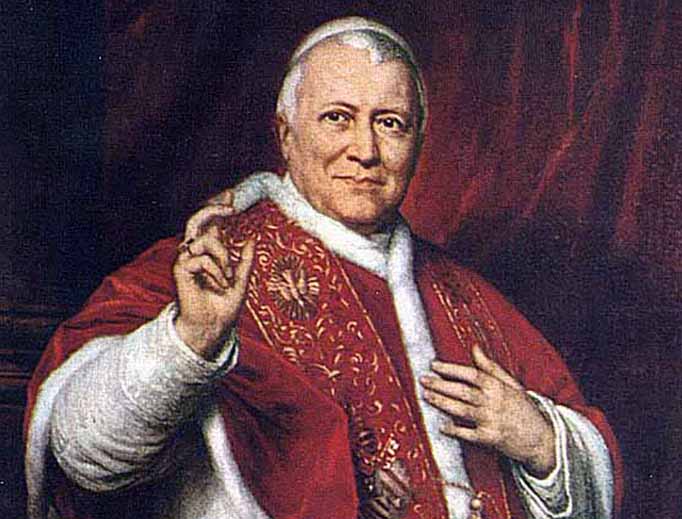
The First Vatican Council, also known as Vatican I, was the 20th ecumenical council of the Catholic Church, convened by Pope Pius IX on June 29, 1868, and held in St. Peter’s Basilica in Rome from December 8, 1869, to July 18, 1870. It was interrupted by the Capture of Rome by Italian forces on September 20, 1870, and formally closed in 1960. The council addressed 19th-century challenges like rationalism, liberalism, materialism, and secularism, amid threats to the Papal States from the Kingdom of Italy.
Key events included debates among around 744 bishops and theologians, with significant controversy over papal infallibility. Opposition came from a minority, particularly from German and Austro-Hungarian bishops, who feared it would deepen divisions and invite state interference. This led to the excommunication of figures like Ignaz von Döllinger and the schism forming the Old Catholic Church.
Major decisions comprised two dogmatic constitutions:
Dei Filius (April 24, 1870): Affirmed Catholic teachings on God, revelation, faith, and reason, while condemning errors such as rationalism, socialism, and modernism.
Pastor aeternus (July 18, 1870): Defined papal infallibility, stating that the pope, when speaking ex cathedra on matters of faith or morals, is infallible, and affirmed the pope’s supreme jurisdiction over the Church.
The council’s significance includes bolstering papal authority (ultramontanism), clarifying doctrine against modern ideologies, and sparking reactions like the Kulturkampf in Prussia, broken concordats in Austria and France, and the Old Catholic schism.
Vatican II, AD 1962
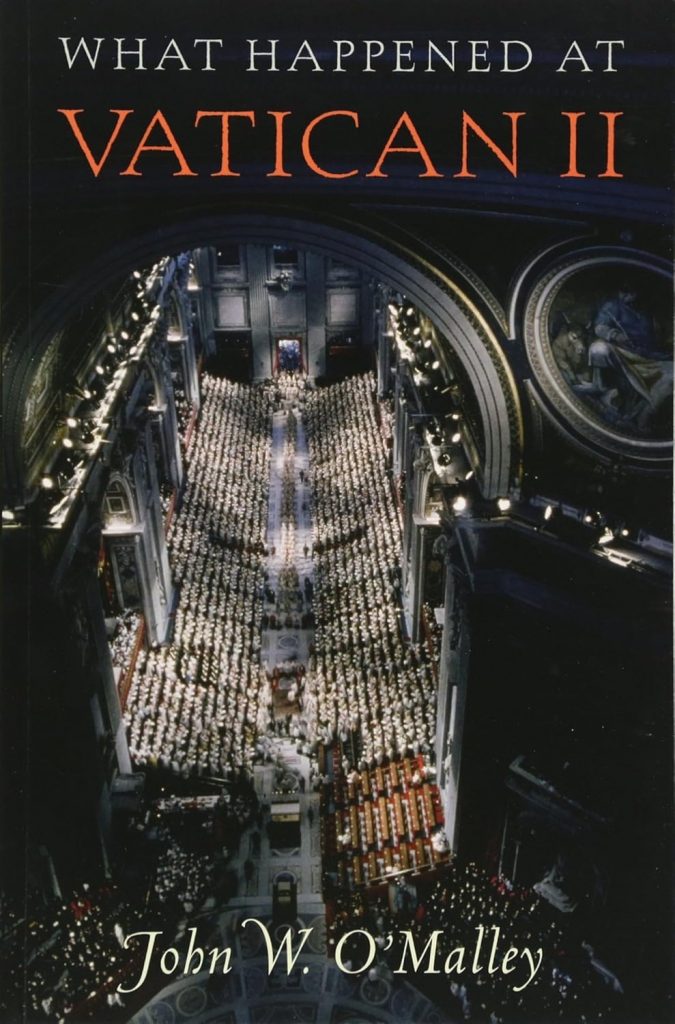
Vatican II (the Second Vatican Council, 1962-1965) was the 21st ecumenical council of the Catholic Church, convened by Pope John XXIII to update the Church’s engagement with the modern world, a process called aggiornamento (bringing up to date). It introduced significant reforms, including allowing Mass in local languages (vernaculars) instead of just Latin, increasing lay participation, and fostering dialogue with other Christian and non-Christian religions, profoundly shaping the modern Catholic Church through documents like Gaudium et Spes, Sacrosanctum Concilium, and Nostra Aetate.
Key Goals & Themes
- Aggiornamento: Updating the Church’s traditions and practices for the contemporary world.
- Dialogue: Opening communication with the modern world, other faiths, and other Christian denominations.
- Renewal: Fostering spiritual renewal and greater involvement for the laity.
Major Changes & Outcomes
- Liturgy: Mass could be celebrated in vernacular languages, with the priest facing the congregation.
- Lay Participation: Increased involvement for laypeople in Church life and worship.
- Religious Freedom: Affirmed freedom of conscience and religion for all people.
- Interreligious Relations: Promoted understanding and respect for Judaism, Islam, and other faiths, condemning antisemitism (Nostra Aetate).
- Church’s Role: Addressed the Church’s role in the modern world and contemporary social issues (Gaudium et spes).
- Religious Life: Reforms in religious orders, often simplifying habits and focusing on service.
Key Documents
- Sacrosanctum Concilium : Constitution on the Sacred Liturgy.
- Lumen Gentium : Dogmatic Constitution on the Church.
- Gaudium et Spes : Pastoral Constitution on the Church in the Modern World.
- Dei Verbum : Dogmatic Constitution on Divine Revelation.
- Nostra Aetate : Declaration on the Relation of the Church to Non-Christian Religions.
Significance
Vatican II is considered a pivotal event, essentially shaping the modern Catholic Church by shifting it from a more fortress-like stance to one of engagement and dialogue, though its legacy remains a subject of ongoing discussion and interpretation within the Church.
Catholic Religious Orders
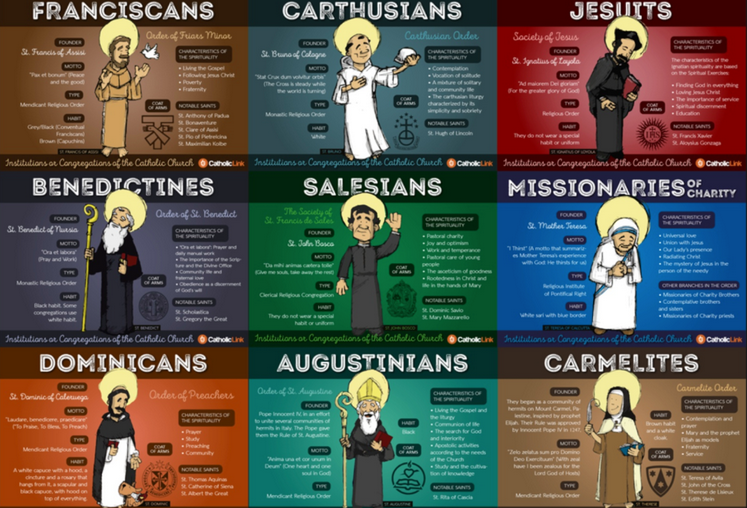
Catholic religious orders are communities within the Roman Catholic Church where men and women dedicate their lives to God through vows of poverty, chastity, and obedience, living in consecrated life according to a specific rule or constitution. These groups, also called institutes of consecrated life, focus on prayer, community living, and various forms of service or apostolate, such as education, healthcare, missionary work, or contemplation, guided by the unique charism (spiritual gift or focus) of their founder. They differ from diocesan clergy, who serve specific local churches, as order members are often more specialized in their missions and may be mobile or cloistered.
History
Religious orders trace their roots to early Christian monasticism in the 3rd-4th centuries, inspired by desert hermits seeking solitude and prayer. St. Benedict of Nursia formalized monastic life around 529 AD with his Rule, influencing Western monasticism. In the Middle Ages, mendicant orders emerged to address urban poverty and heresy, emphasizing preaching and begging for alms. The 16th century saw reforms and new congregations amid the Counter-Reformation, like the Jesuits. Modern orders, such as the Missionaries of Charity, focus on contemporary issues like social justice and aid to the marginalized. Over centuries, orders have founded schools, hospitals, and missions, adapting while maintaining vows and charisms.
Types
Catholic religious institutes are broadly categorized by lifestyle and mission, though distinctions can overlap. Key types include:
- Monastic Orders: Emphasize contemplative life in monasteries or convents, focusing on prayer (e.g., Divine Office), work, and stability. Members are often cloistered. Examples: Benedictines, Carthusians, Trappists (Cistercians of the Strict Observance).
- Mendicant Orders: “Begging” friars or sisters who live in poverty, relying on alms, and engage in active apostolates like preaching, teaching, and service in urban settings. Examples: Franciscans (Order of Friars Minor), Dominicans (Order of Preachers), Carmelites, Augustinians.
- Canons Regular: Priests living in community, serving parishes or churches while reciting the Divine Office. Example: Canons Regular of St. John Cantius.
- Clerics Regular: Priests focused on pastoral ministry, education, or missions, living in community without solemn vows (often congregations). Example: Jesuits (Society of Jesus).
- Apostolic Congregations: Similar to orders but with simple vows; emphasize active service like education or charity. Examples: Salesians of Don Bosco, Missionaries of Charity.
Many orders have branches for men (friars/priests/brothers), women (nuns/sisters), and laity (third orders or secular institutes).
Major Examples
Here are brief overviews of some prominent orders, highlighting their charisms:
- Benedictines (OSB): Founded by St. Benedict (~529 AD); focus on “ora et labora” (prayer and work), hospitality, and stability in monastic communities.
- Franciscans (OFM): Founded by St. Francis of Assisi (1209); emphasize poverty, humility, care for creation, and service to the poor.
- Dominicans (OP): Founded by St. Dominic (1216); dedicated to preaching, study, and truth-seeking through intellectual apostolates.
- Jesuits (SJ): Founded by St. Ignatius of Loyola (1540); stress education, missions, and “finding God in all things” via spiritual exercises.
- Carmelites (O.Carm or OCD): Originated ~12th century; prioritize contemplative prayer, solitude, and devotion to Mary.
- Augustinians (OSA): Based on St. Augustine’s Rule (~400 AD); balance community life with active ministry, focusing on charity and interior search for God.
Other notable ones include Cistercians (contemplative reform of Benedictines), Passionists (devotion to Christ’s Passion), and women’s groups like the Poor Clares (Franciscan nuns). Today, thousands of members worldwide continue these traditions, contributing to the Church’s mission.
Franciscans – Order of St. Francis
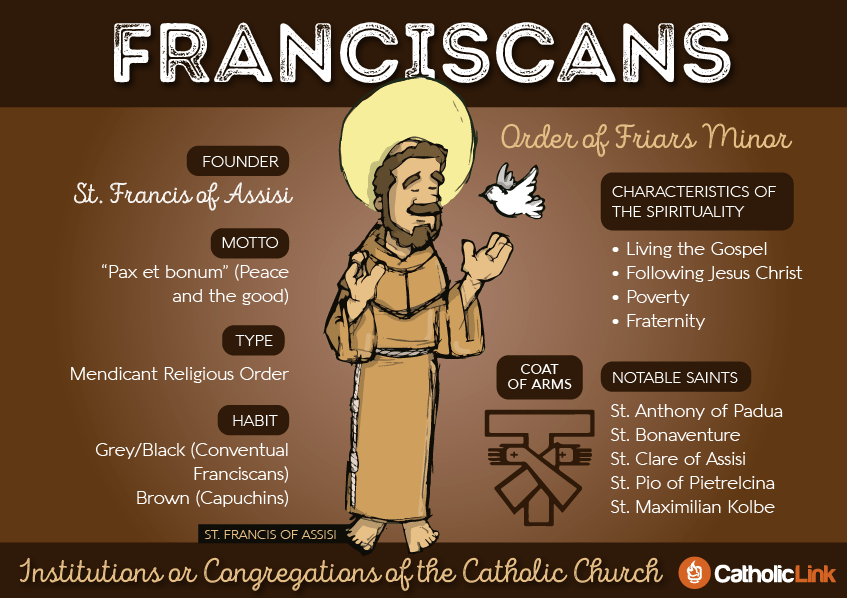
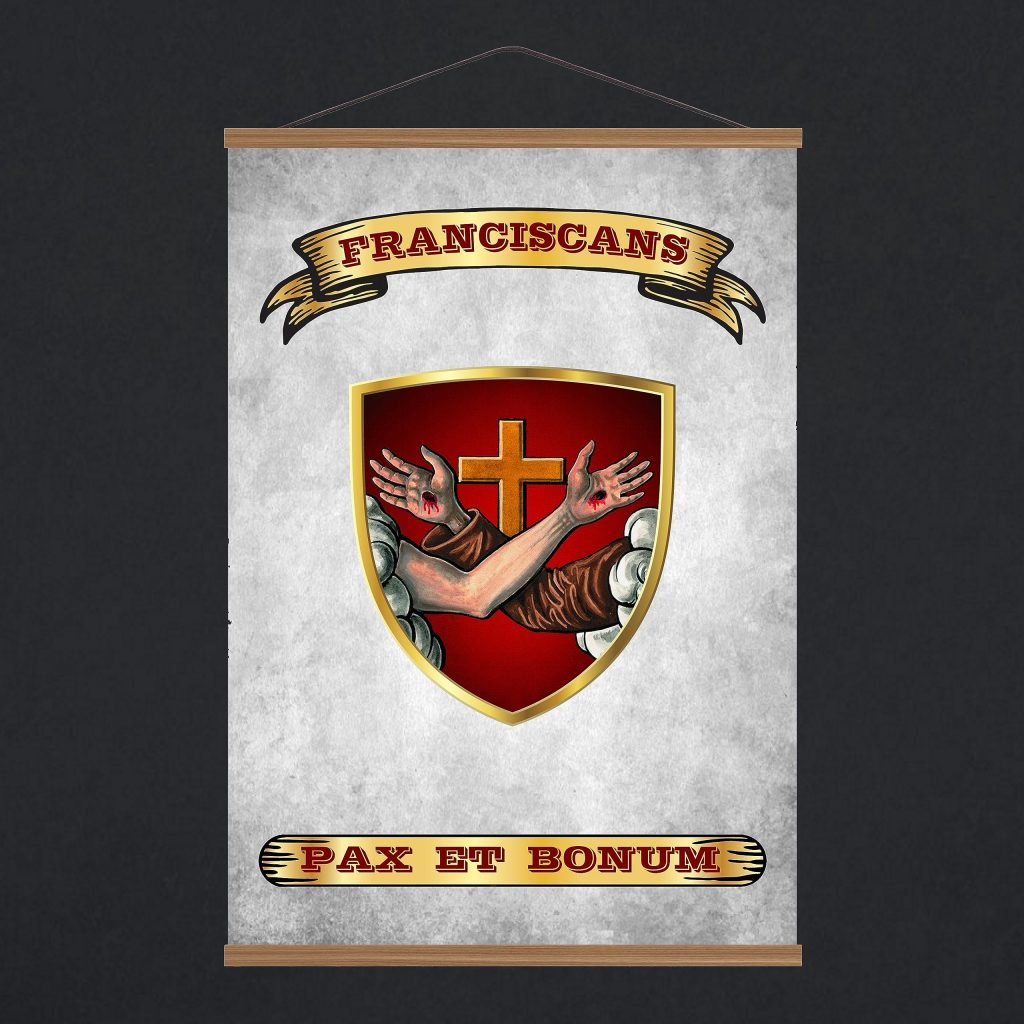
The Franciscan Order, formally known as the Order of Friars Minor (OFM), is a Roman Catholic mendicant religious order founded in 1209 by Italian saint St. Francis of Assisi in Assisi, Italy, with papal approval in 1210. It emphasizes living the Gospel through poverty, humility, charity, and care for creation, making it one of the largest and most influential orders in the Church.
History
St. Francis (1181/82–1226), inspired by a call to rebuild the Church and emulate Christ’s life, gathered followers to live in radical poverty, wandering, preaching, and serving the poor without possessions. The order grew rapidly, with St. Clare of Assisi founding the Second Order for women in 1212. Divisions emerged over observance of poverty, leading to branches like the Conventuals (relaxed rule, 1517) and Capuchins (stricter reform, 1528), while the Third Order formed for laity around 1221. The order spread globally through missions, education, and charity, producing saints like St. Anthony of Padua and St. Bonaventure, and adapting through reforms despite challenges like the Reformation.
Beliefs and Practices
Rooted in Catholic doctrine, Franciscan spirituality centers on observing the Gospel through evangelical vows of poverty, chastity, and obedience, with a focus on humility, selflessness, kindness, and love for all creation as God’s work. It balances contemplation (prayer, meditation) with action (preaching, service), promoting peace (“Pax et bonum”) and evangelical poverty to emulate Christ and Francis. Practices include communal living, daily prayer, asceticism, charitable works like aiding the marginalized, and environmental stewardship, without owning property.
Structure
The order comprises three main branches: the First Order (friars: OFM, OFM Conv., OFM Cap., including priests and brothers focused on preaching and ministry); the Second Order (cloistered nuns, Poor Clares); and the Third Order (Secular Franciscans for laity living in the world, and Regular for religious communities). Governed by a minister general in Rome, it operates in provinces worldwide, with thousands of members engaging in education, healthcare, missions, and social justice.
Jesuits – Society of Jesus
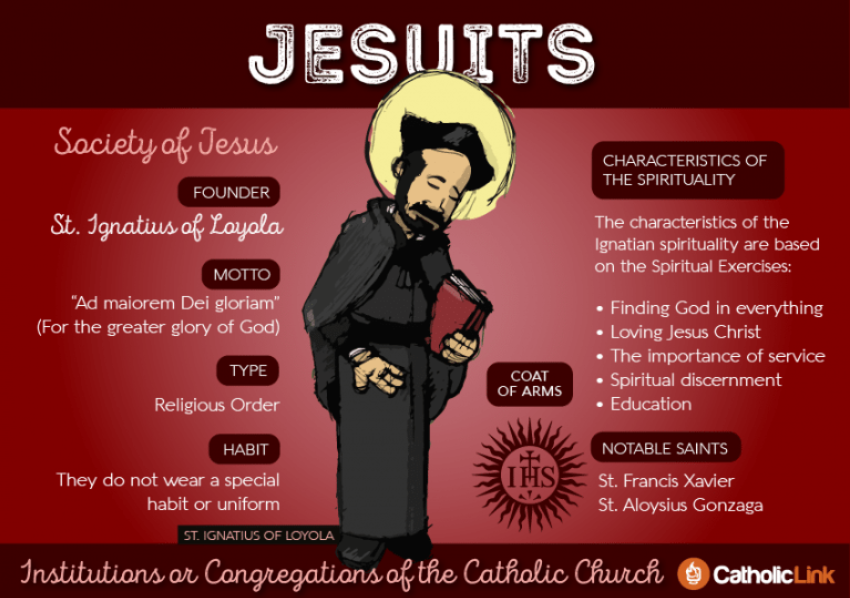
The Society of Jesus, commonly known as the Jesuits (abbreviated S.J. or SJ), is a Roman Catholic order of priests and brothers founded in 1540. It is the largest male religious order in the Catholic Church and is renowned for its emphasis on education, intellectual rigor, missionary work, and social justice.
Founding and Early History
St. Ignatius of Loyola, a Spanish soldier-turned-mystic, founded the order with six companions (including St. Francis Xavier) in Paris. Ignatius experienced a profound spiritual conversion while recovering from battle wounds in 1521. In 1534, the group took vows of poverty, chastity, and obedience at Montmartre. Pope Paul III officially approved the Society of Jesus on September 27, 1540, through the papal bull Regimini militantis Ecclesiae.
The Jesuits emerged during the Counter-Reformation, playing a key role in renewing and defending Catholicism amid the Protestant Reformation. They adopted a highly mobile, adaptable structure focused on apostolic mission rather than traditional monastic enclosure.
Spirituality and Vows
Jesuits follow Ignatian spirituality, centered on St. Ignatius’s Spiritual Exercises. Core principles include:
- “Finding God in all things”
- Discernment of spirits
- “Contemplation in action”
Members take the standard religious vows of poverty, chastity, and obedience, plus a distinctive fourth vow of special obedience to the Pope regarding missions (“to go anywhere in the world where the Pope sends us”).
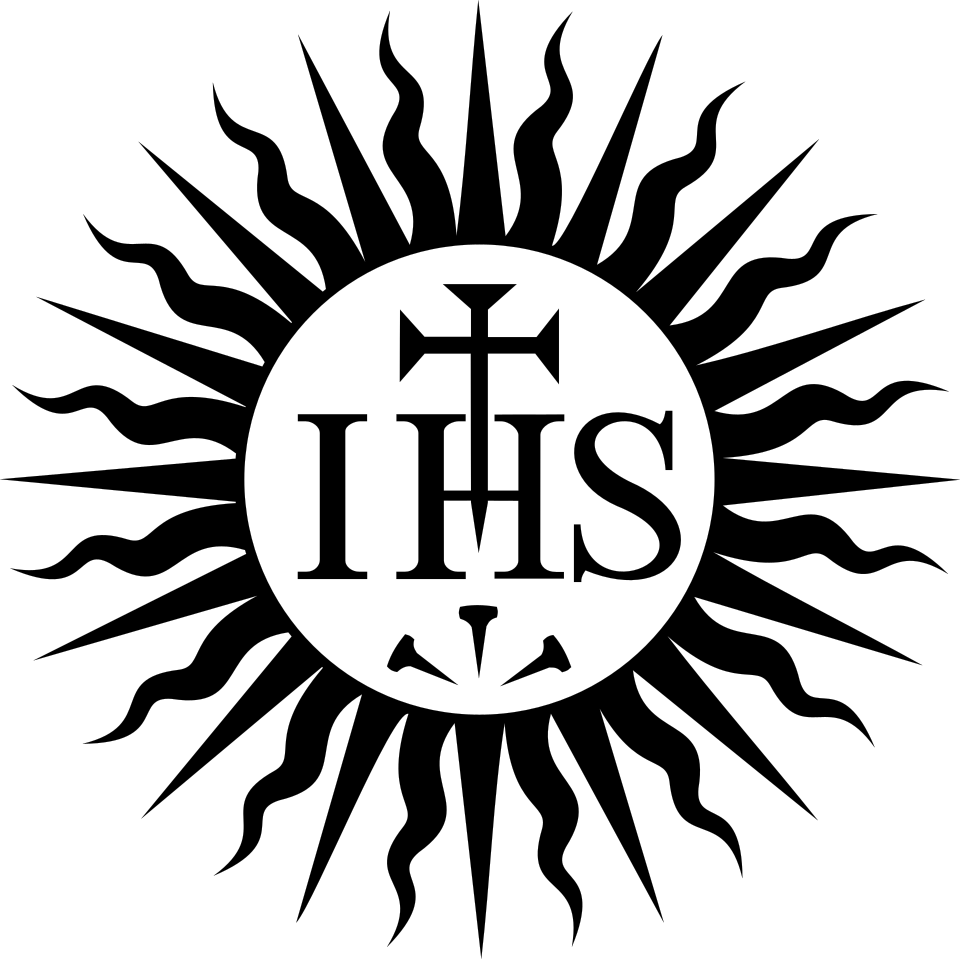
Their motto is Ad Maiorem Dei Gloriam (“For the greater glory of God”). The emblem features the IHS monogram (from the Greek for Jesus), often with a cross, nails, and radiating sun.
Key Contributions
Jesuits have been influential in:
- Education — They established hundreds of schools, colleges, and universities worldwide (e.g., Georgetown, Fordham, Boston College, and many international institutions), emphasizing holistic formation of “men and women for others.”
- Missionary work — Pioneering efforts in Asia (Francis Xavier in India and Japan), the Americas, and Africa.
- Intellectual and cultural life — Contributions to science, philosophy, theology, and the arts.
- Social justice and service — Work with the marginalized, refugees, and in promoting dialogue, ecology, and reconciliation.
They faced suppression in 1773 (due to political pressures from European monarchs) but were restored in 1814.
Today
The Society operates in over 110 countries with approximately 14,000 members (as of recent statistics around 2022–2025). It is led by Superior General Father Arturo Sosa, SJ (elected in 2016). Jesuits continue their mission of reconciliation—between people and God, among peoples, and with creation—while running schools, retreats, parishes, research institutes, and humanitarian efforts.
Notably, Pope Francis (elected 2013) was the first Jesuit pope.
The Jesuits remain a dynamic force in the Catholic Church, blending deep prayer with active engagement in the world’s most pressing challenges.
Benedictines – Order of Saint Benedict (incl. Cistercians and Cistercians of the strict Observance (Trappist))
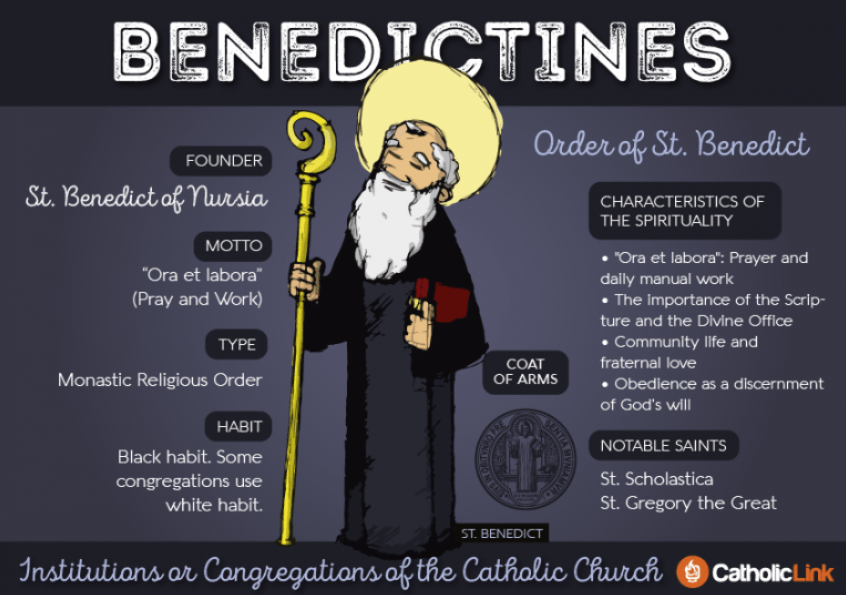
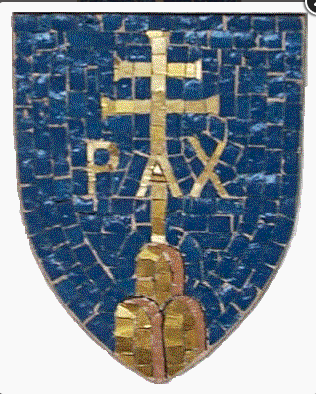
The Benedictines, officially the Order of Saint Benedict (Latin: Ordo Sancti Benedicti, abbreviated OSB), are a Catholic monastic order of monks and nuns. They follow the Rule of Saint Benedict and form one of the oldest and most influential religious orders in the Western Church. Known as the “Black Monks” (due to their traditional black habits), they emphasize a balanced life of prayer, work, and community.
Founding and Early History
St. Benedict of Nursia (c. 480–547), an Italian monk, founded the order around 529 at Monte Cassino, Italy. After living as a hermit and experimenting with small communities, he wrote the Rule of Saint Benedict—a moderate, practical guide for communal monastic life.
Benedict’s twin sister, St. Scholastica, is considered a co-patroness of the order. The Rule spread rapidly and became the standard for Western monasticism, especially after Charlemagne promoted it in the 9th century. Benedictine monasteries played a crucial role in preserving classical learning, manuscripts, and Christian culture through the early Middle Ages.
Unlike centralized orders (e.g., Jesuits), Benedictines are a confederation of autonomous monasteries (abbeys and priories), each led by an abbot or abbess. There are also reformed branches, such as the Cistercians and Trappists.
Spirituality and Vows
The heart of Benedictine life is captured in the motto Ora et Labora (“Pray and Work”) and Pax (“Peace”).
The Rule promotes moderation, stability, and seeking God in ordinary life. Key practices include:
- The Liturgy of the Hours (communal prayer 7–8 times daily)
- Lectio Divina (prayerful reading of Scripture)
- Manual labor
- Study
- Hospitality
Monks and nuns profess three vows:
- Stability — commitment to one community
- Conversion of life — ongoing spiritual growth (includes chastity and simplicity/poverty)
- Obedience — to the abbot/abbess and the Rule
Key Contributions
Benedictines profoundly shaped Western civilization:
- Preservation of knowledge — Monasteries maintained scriptoria that copied the Bible and classical texts during the “Dark Ages.”
- Agriculture and technology — Pioneered advanced farming, viticulture (wine-making), brewing, and land management.
- Education and scholarship — Founded schools, libraries, and universities; produced scholars like St. Bede the Venerable and St. Hildegard of Bingen.
- Art, architecture, and music — Influenced Romanesque style, Gregorian chant, and illuminated manuscripts.
- Social role — Provided hospitality, healthcare, charity, and served as centers of stability in turbulent times.
Today
The Benedictine Confederation spans six continents with dozens of congregations. As of recent data (around 2020–2024):
- Approximately 6,800–7,000 professed monks (including over 3,400 priests) in the male branch.
- Thousands more nuns in women’s communities.
- Over 100 monasteries in the United States alone, plus many in Europe, Africa, Asia, and Latin America.
They are led by an Abbot Primate. Modern Benedictines engage in contemplative prayer, education, retreats, publishing, ecological stewardship, and interfaith dialogue. Many monasteries welcome guests and have large networks of oblates (lay associates who follow Benedictine spirituality in daily life).
In summary, the Benedictines represent a timeless model of balanced Christian living—rooted in prayer and work, community and stability—that continues to inspire people worldwide after nearly 1,500 years.
Cistercians
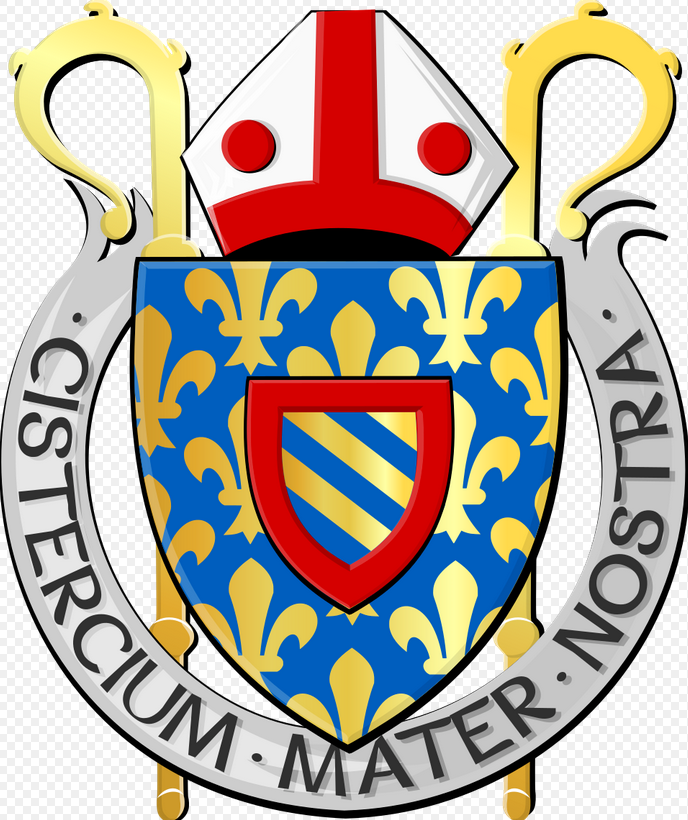
The Cistercians (Latin: Ordo Cisterciensis, abbreviated OCist for the Common Observance branch) are a Catholic monastic order that emerged as a reform of the Benedictines. They are known as the “White Monks” for their undyed white wool habits. A stricter offshoot, the Order of Cistercians of the Strict Observance (OCSO)—popularly called Trappists—forms a separate but related order. Both follow the Rule of St. Benedict with an emphasis on simplicity, manual labor, and austerity.
Founding and Early History
Founded on 21 March 1098 at the Abbey of Cîteaux (near Dijon, France) by St. Robert of Molesme, St. Alberic of Cîteaux, and St. Stephen Harding. They left the wealthy Cluny-influenced Benedictine abbey of Molesme to live a stricter, more literal observance of the Rule—focusing on poverty, isolation, and self-sufficiency.
The order exploded in growth thanks to St. Bernard of Clairvaux (1090–1153), who entered in 1113 and founded Clairvaux Abbey in 1115. By the end of the 12th century, there were hundreds of monasteries across Europe. The Carta Caritatis (Charter of Charity, 1119) established the order’s federal structure: autonomous houses linked by annual General Chapters.
Spirituality and Practices
Cistercians seek a return to primitive Benedictine ideals: Ora et Labora (“Pray and Work”), simplicity, silence, and manual labor (especially farming). They rejected feudal wealth, elaborate liturgy, and art in favor of plain architecture and unadorned worship.
Key elements:
- Liturgy of the Hours sung in plainchant
- Strict fasting and vegetarian diet (in earlier centuries)
- Lay brothers (conversi) handled most manual work
Habit: white tunic, black scapular (for OCist), and white cowl.
Trappists (OCSO) added even greater austerity, including perpetual silence (partially relaxed today) and stricter enclosure.
Key Contributions
- Agriculture & economy: Pioneered advanced farming, viticulture (e.g., Champagne region), hydraulic engineering, and wool trade.
- Architecture: Developed austere yet elegant Romanesque-to-Gothic style (e.g., Fontenay, Maulbronn—UNESCO sites). No sculpture or painting inside churches.
- Theology & literature: St. Bernard’s writings on mysticism, grace, and Mary influenced the Church profoundly.
- Mission: Helped Christianize eastern Europe and preserved learning in turbulent times.
Today
The order split formally in the 19th century; Trappists became independent in 1892.
- OCist (Common Observance): ~1,600 members; ~650 monasteries/houses (recent estimates).
- OCSO (Trappists): 1,796 monks + 1,592 nuns (as of 1 Jan 2018); 168 monasteries worldwide.
Both branches are present on every continent. OCist is led by Abbot General Mauro-Giuseppe Lepori; OCSO has its own Abbot General. Many communities support themselves through crafts, cheese, beer (e.g., Chimay, Orval), agriculture, or hospitality.
Cistercian (and especially Trappist) spirituality continues to attract those seeking contemplative depth in a noisy world, while their historic abbeys remain places of pilgrimage, scholarship, and quiet witness after more than 900 years.
Cistercians of the Strict Observance (OCSO) – “Trappist”
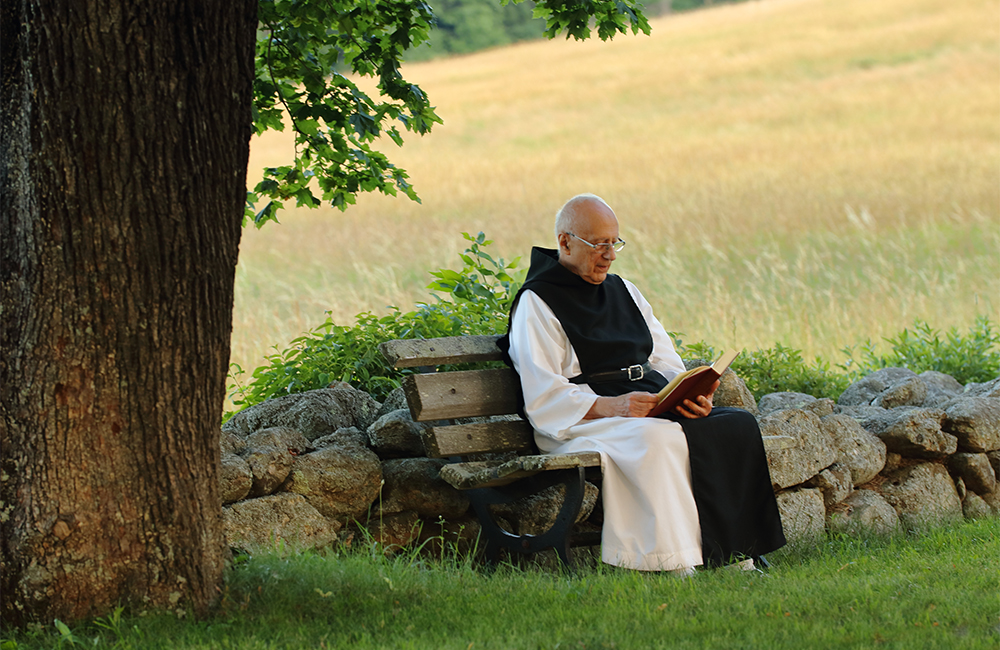
The Trappists, officially the Order of Cistercians of the Strict Observance (Latin: Ordo Cisterciensis Strictioris Observantiae, abbreviated OCSO), are a contemplative Catholic monastic order of monks (Trappists) and nuns (Trappistines). They represent the strictest branch of the Cistercian family, emphasizing silence, austerity, prayer, and self-sufficient manual labor. They are often called the “White Monks” like other Cistercians due to their undyed white habits.
Founding and Early History
The Trappist reform started in 1664 at the Abbey of La Trappe in Normandy, France. Armand Jean le Bouthillier de Rancé (1626–1700), a former courtier and abbot, introduced radical reforms to restore a more primitive and austere observance of the Rule of St. Benedict amid the laxity of some Cistercian houses.
After suppression during the French Revolution, the order revived in the 19th century. In 1892, Pope Leo XIII made them an independent order separate from the main Cistercians (OCist). Their spirituality builds directly on the 1098 Cistercian foundation at Cîteaux but with greater emphasis on solitude and penance.
Spirituality and Practices
Trappists seek God through a balanced life of Ora et Labora (“Pray and Work”) in silence and simplicity. Core elements include:
- The Liturgy of the Hours (communal prayer several times daily)
- Lectio Divina (prayerful Scripture reading)
- Extended periods of silence (great silence at night; limited talking otherwise)
- Manual labour (farming, crafts, brewing)
- Strict fasting and vegetarian-leaning diet (historically very austere)
- Enclosed, cloistered community life
The daily rhythm begins early (often 3–4 a.m.) and centers on contemplation, fostering inner conversion and union with God.
Many monasteries support themselves by producing world-famous Trappist beers (only about 14 authentic Trappist breweries exist, including Chimay, Westvleteren, and Orval), cheeses, bread, and other goods.
Key Contributions
- Contemplative spirituality: Deeply influenced 20th-century Christian thought through writers like Thomas Merton (The Seven Storey Mountain) and Thomas Keating (Centering Prayer).
- Monastic products: Elevated artisanal brewing and food production to high standards; Trappist beers are among the most respected in the world.
- Silent witness and retreats: Monasteries offer guesthouses for people seeking quiet reflection and prayer.
- Resilience: Survived revolutions, wars, and secularization while expanding globally.
Today
The order has communities on six continents. Recent statistics (2023–2024):
- Roughly 150 monasteries (about 80–87 for monks, 70 for nuns).
- Approximately 1,400–1,550 monks and 1,300–1,400 nuns (numbers have been declining gradually, with smaller average communities of ~25 members).
- Led by Abbot General Dom Bernardus Peeters (elected 2022, from Koningshoeven Abbey, Netherlands).
Trappist life remains a powerful model of radical simplicity, silence, and prayerful presence in the modern world—offering a counter-cultural witness after more than 350 years of the reform. Many people visit their monasteries or become oblates (lay associates) to incorporate elements of this spirituality into daily life.
Dominicans – Order of Preachers
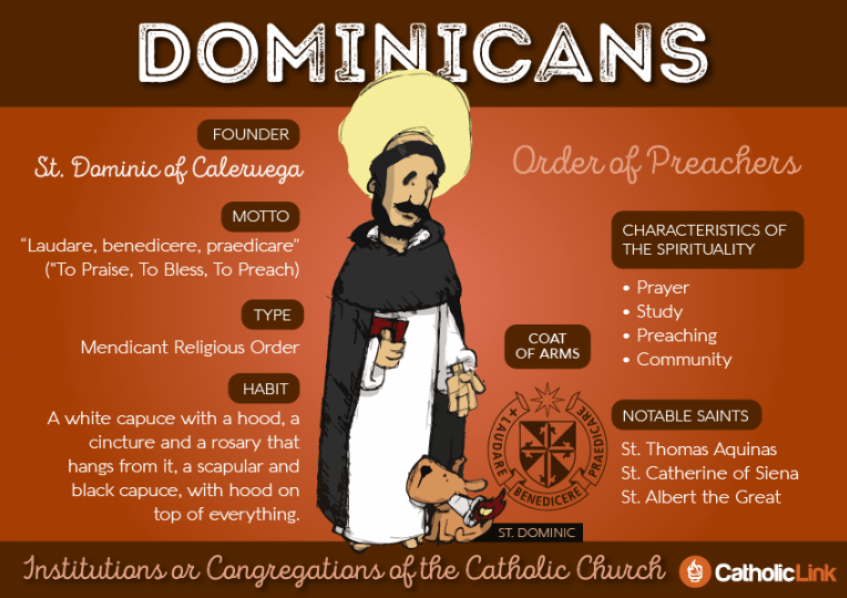
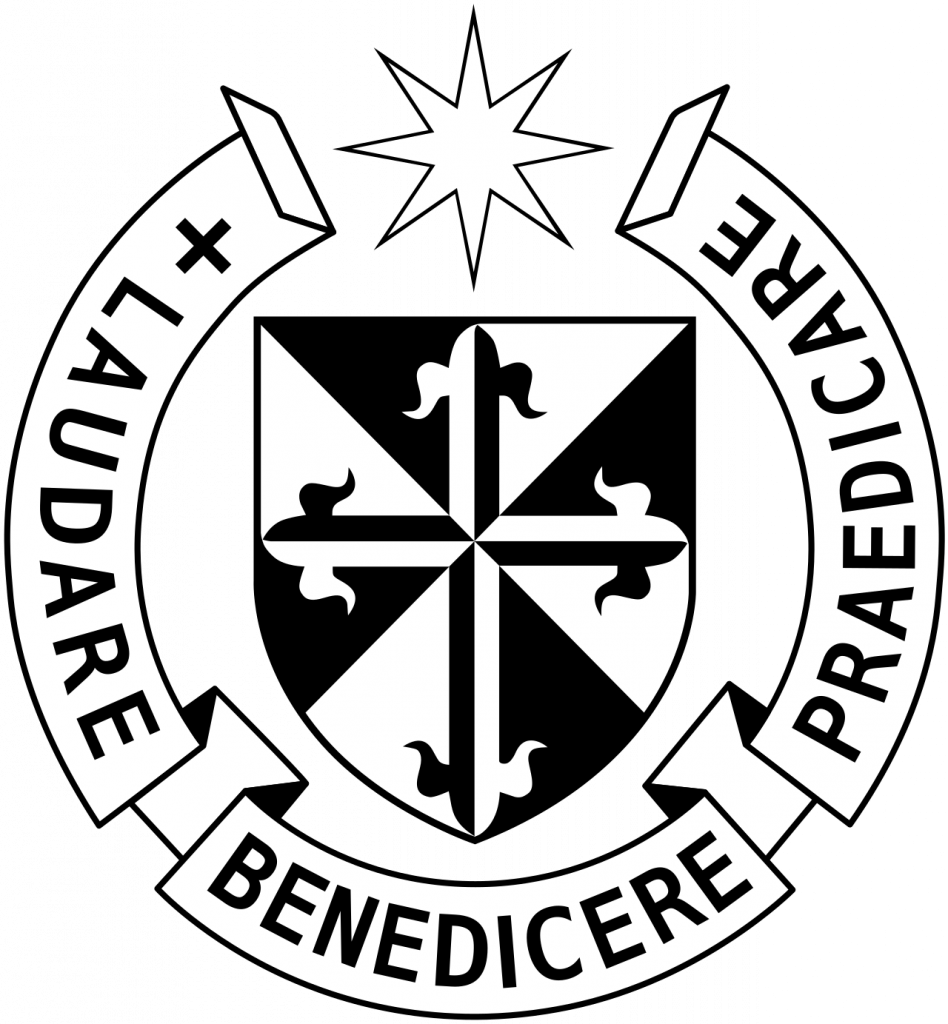
The Dominican Order, formally known as the Order of Preachers (OP), is a Roman Catholic mendicant order founded in 1216 by Spanish priest St. Dominic de Guzmán in Toulouse, France, with papal approval from Pope Honorius III. Established to preach the Gospel, combat heresy (such as the Albigensian movement in southern France), and promote the salvation of souls, it emphasized intellectual rigor, study, and teaching from its inception, placing it at the forefront of medieval scholasticism.
History
St. Dominic (1170–1221) created the order as a flexible, preaching-focused group, blending contemplative monastic elements with active ministry, unlike earlier autonomous monastic houses. Members took vows of poverty and were organized into provinces under a master general, allowing mobility for missions. The order quickly spread globally, producing influential figures like St. Thomas Aquinas, and has over 800 years of history with more than 70 saints and 200 blesseds.
Beliefs and Practices
Rooted in Catholic doctrine, the order’s motto is “Veritas” (truth), reflecting a commitment to lifelong study, prayer, community life, and preaching. It promotes human dignity, opposes dualistic heresies (e.g., viewing the material world as evil), and integrates contemplation with outreach to the poor and marginalized.
Structure
The order includes four branches: friars (priests and brothers), cloistered nuns, active religious sisters, and lay Dominicans (tertiaries, both single and married). This diverse “Dominican family” collaborates in preaching and ministry, operating under a centralized yet adaptable governance. Today, it continues worldwide missions in education, parishes, and social justice.
Augustinians – Order of St. Augustine
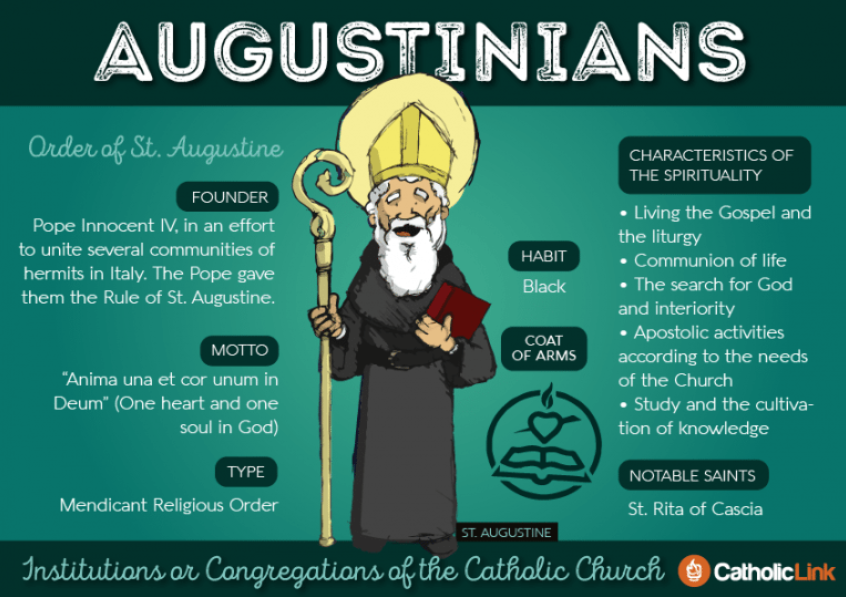
The Augustinian Order, formally known as the Order of Saint Augustine (OSA) or Augustinian Hermits, is a Roman Catholic mendicant religious order established in 1244 by Pope Innocent IV, who united various eremitical groups in Tuscany and central Italy following the Rule of St. Augustine. The Rule, authored by St. Augustine of Hippo around 400 AD, is the oldest monastic rule in the Western Church and emphasizes community living, chastity, poverty, obedience, and fraternal charity.
History
St. Augustine (354–430 AD) founded early monastic communities in North Africa, blending contemplation with active life, which inspired later groups. By the 11th century, Augustinian Canons emerged, adopting the Rule for clerical common life. The Hermits branch formed in 1244, expanding in 1256 through the “Grand Union,” shifting from eremitical seclusion to mendicant apostolate in cities, education, and missions. Notable figures include Martin Luther (early member) and numerous saints; the order faced declines during the Reformation and French Revolution but persists today.
Beliefs and Practices
Rooted in St. Augustine’s theology, the order stresses the interior search for God, love of God and neighbour as the core of Christian life, and a balance of contemplation, community, and service. It views history linearly (Creation, Fall, Redemption) and promotes values like unity, humility, and evangelization. Practices include shared prayer, study, and ministry to the marginalized.
Structure
The order includes friars (priests and brothers), nuns, and lay affiliates, organized into provinces under a prior general. It encompasses the Hermits (O.S.A.) and Canons, with women’s congregations and tertiaries sharing the spirituality. Modern focus includes education, healthcare, parishes, and global missions.
Carmelites – Carmelite Order
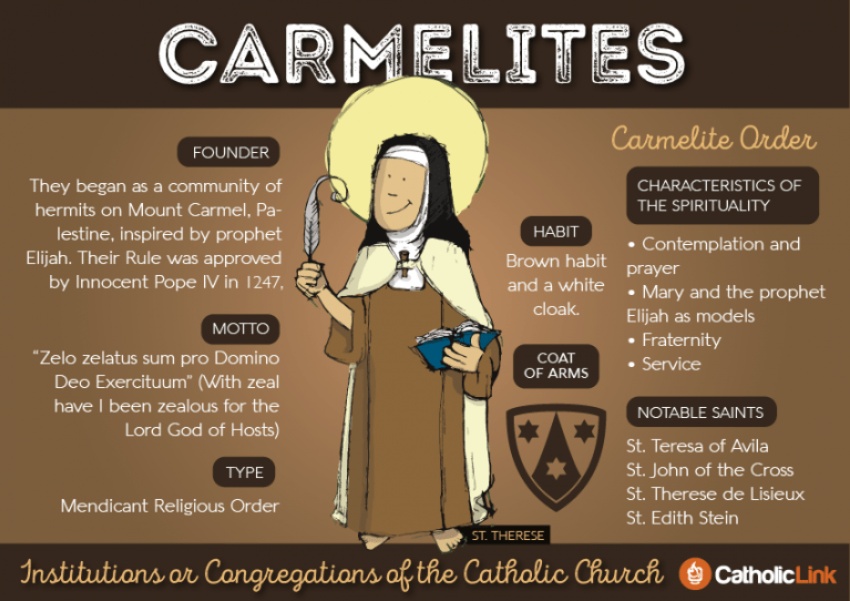
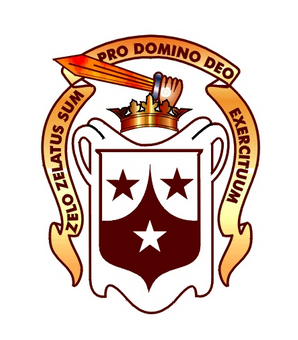
The Carmelite Order, formally known as the Order of the Brothers of the Blessed Virgin Mary of Mount Carmel (O.Carm.), is a Roman Catholic mendicant religious order founded in the late 12th century by hermits on Mount Carmel in the Holy Land, inspired by the prophet Elijah. It emphasizes contemplative prayer, community life, and service, with a strong devotion to the Virgin Mary.
History
The order originated around 1155 with hermits living near Elijah’s fountain on Mount Carmel, adopting a eremitical lifestyle of prayer and solitude. Between 1206 and 1214, they received the Rule of St. Albert from Albert of Jerusalem, focusing on poverty, silence, and continuous prayer. In 1247, Pope Innocent IV approved and modified the rule, transitioning them from hermits to mendicant friars serving in urban areas. A major reform occurred in the 16th century led by St. Teresa of Ávila and St. John of the Cross, establishing the Discalced Carmelites (O.C.D.) for stricter austerity, separating from the original “Calced” branch. The order has produced numerous saints and spread globally, adapting after events like the Reformation and Vatican II.
Beliefs and Practices
Carmelites are rooted in Catholic doctrine, committing to live in allegiance to Jesus Christ through the evangelical vows of poverty, chastity, and obedience. Their charism centers on contemplative prayer, seeking God’s presence, fraternal community, and service (diakonia) among the people, often in solidarity with the poor and marginalized. Devotion to Mary as Our Lady of Mount Carmel is prominent, symbolized by the brown scapular. Practices include daily Eucharist, meditation on Scripture, silent work, and evangelization through education, retreats, and justice initiatives.
Structure
The order comprises two main branches: the original Carmelites (O.Carm.) and the Discalced Carmelites (O.C.D.), each with friars (priests and brothers), cloistered nuns, active sisters, and lay members (tertiaries or seculars). Governed by a prior general, it operates in provinces worldwide, with over 2,000 members in the O.Carm. branch alone as of recent data. Today, Carmelites engage in ministries like parishes, schools, spiritual centers, and global missions in more than 50 countries.
Carthusians – Carthusian Order
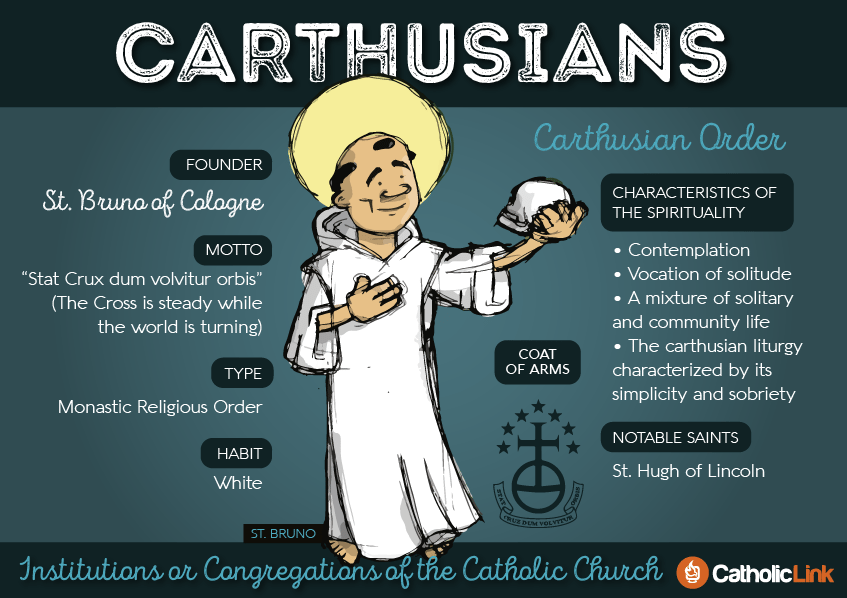
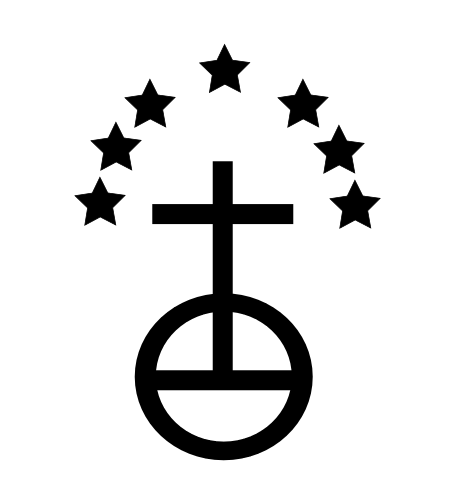
The Carthusian Order, also known as the Order of Carthusians (Latin: Ordo Cartusiensis, O.Cart.), is a Roman Catholic enclosed monastic order founded in 1084 by St. Bruno of Cologne in the Chartreuse Mountains near Grenoble, France. It is renowned for its strict eremitical (hermit-like) lifestyle combined with elements of cenobitic (communal) monasticism, emphasizing solitude, silence, contemplation, and total dedication to God, making it one of the most austere orders in the Church.
History
St. Bruno, seeking a life of solitude away from worldly corruption, led six companions to establish a hermitage in the remote Chartreuse valley, inspired by the early Christian desert hermits like those emulated by Elijah, Moses, and John the Baptist. Initially without a formal rule, customs evolved from St. Bruno’s example, drawing on the Rule of St. Benedict, writings of St. Jerome, and the lives of the desert fathers. In 1127, the fifth prior, Guigo, codified these into the Consuetudines (Statutes), which remain the order’s guiding rule. The order grew slowly across Europe, reaching about 195 charterhouses (monasteries) by 1521, including branches for nuns established later. Unlike other orders, it has never undergone reform due to its enduring strict observance, though numbers have declined; today, around 21 charterhouses exist worldwide, including in the U.S.
Beliefs and Practices
Grounded in Catholic theology, Carthusian spirituality focuses on “vacare Deo” (being free for God alone) through radical solitude, silence, and contemplation to reform the soul and reintegrate passions distorted by sin, drawing heavily from patristic sources like John Cassian and the desert fathers. Monks commit to evangelical vows of poverty, chastity, and obedience, with a life of prayer, study, manual work, and fasting in isolation. Practices include perpetual abstinence from meat, bread-and-water fasts on certain days, wearing hair shirts, and minimal speech; they gather communally only for night office, Mass, vespers, weekly walks, and rare meals on Sundays or feasts. The order avoids external apostolates, focusing inward on prayer for the world, with no organ in churches and strict enclosure (no women enter except sovereigns).
Structure
The order includes choir monks (fathers, often priests) who live in individual cells around a great cloister for solitary life, and lay brothers (conversi) who handle manual labor and live in a separate area to support the contemplatives. There are also contemplative nuns in strictly cloistered monasteries. Governance is centralized under a prior general at the motherhouse, Grande Chartreuse, with each charterhouse led by a prior; no abbots are used. Vocations are rare due to the rigor; formation includes a one-month postulancy, one-year novitiate, and vows taken progressively over years. The order sustains itself through activities like producing Chartreuse liqueur at the motherhouse.
Salesians – Society of St. Francis de Sales
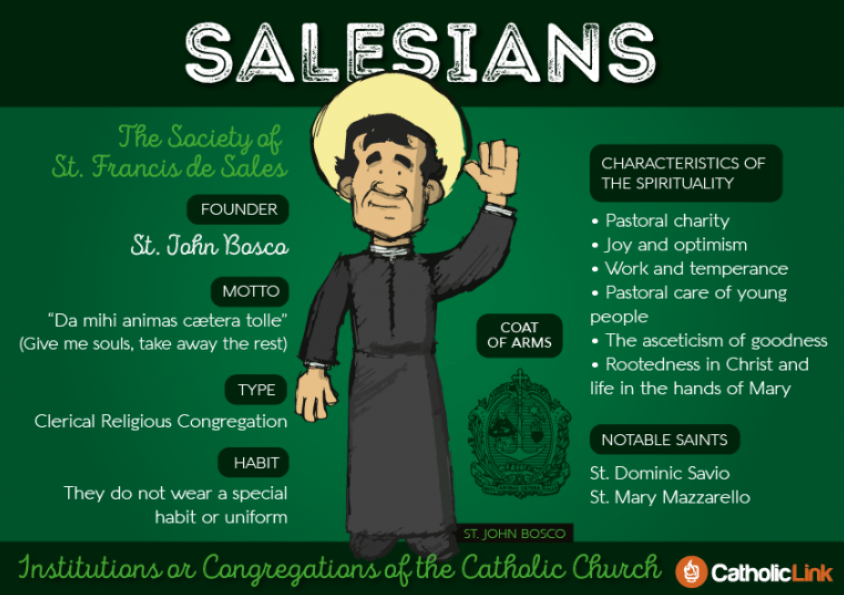
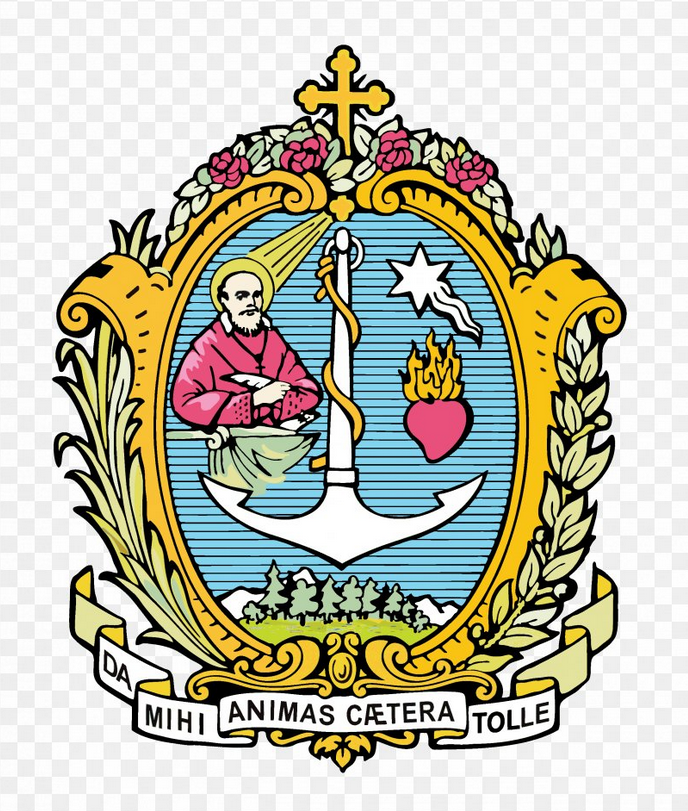
The Salesian Order, formally known as the Salesians of Don Bosco (SDB) or the Society of Saint Francis de Sales, is a Roman Catholic religious congregation founded in 1859 by Italian priest St. John Bosco (Don Bosco) in Turin, Italy, to provide education, spiritual guidance, and support to poor and marginalized youth during the Industrial Revolution. Inspired by St. Francis de Sales, it emphasizes a preventive system of education based on reason, religion, and loving-kindness rather than punishment.
History
St. John Bosco, motivated by the plight of orphaned and homeless boys in industrial Turin, began gathering them for religious instruction and recreation in oratories starting in the 1840s. He formally established the congregation in 1859 with 22 members, which grew rapidly to over 1,000 by his death in 1888, expanding to multiple countries including Spain, France, and Brazil. In 1872, he co-founded the Salesian Sisters (Daughters of Mary Help of Christians) with St. Mary Mazzarello for similar work with girls. The order spread globally, becoming the third-largest men’s congregation, and adapted to modern needs while facing challenges like world wars and secularization.
Beliefs and Practices
Rooted in Catholic doctrine and influenced by St. Francis de Sales’ gentle humanism, Salesian spirituality views God as merciful and compassionate, emphasizing the redemption through Christ’s sacrifice and the pursuit of holiness through charity. The core mission is the “Christian perfection” of members via spiritual and corporal works of mercy, focusing on youth education, vocational training, and evangelization to foster good citizens and Christians. Practices include the Preventive System, which promotes a family-like environment of trust, dialogue, and positive reinforcement; daily prayer, sacraments, and community life; and devotion to Mary Help of Christians. The motto “Da mihi animas, caetera tolle” (“Give me souls, take away the rest”) underscores prioritizing spiritual salvation.
Structure
The Salesian Family encompasses the SDB (priests and brothers), Salesian Sisters (FMA), lay Salesian Cooperators, and other affiliated groups like the Association of Mary Help of Christians (ADMA), all sharing Don Bosco’s charism. Governed by a rector major in Rome, it is organized into provinces worldwide, with over 14,000 SDB members in more than 130 countries as of recent data. Ministries include schools, oratories, youth centers, parishes, missions, and social services, emphasizing holistic education and outreach to the needy.
Missionaries of Charity – Congregatio Missionariarum a Caritate
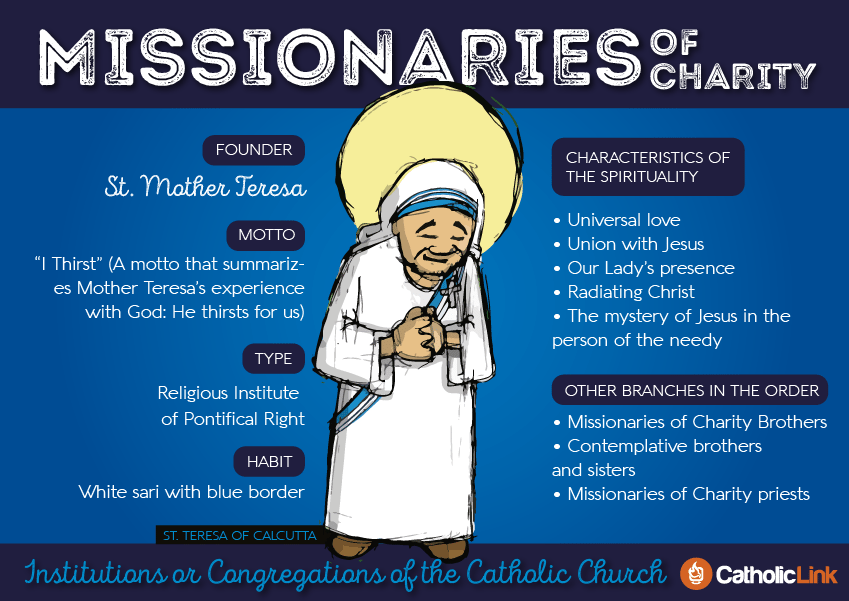
The Missionaries of Charity (M.C.), formally known as the Congregatio Missionariarum a Caritate, is a Roman Catholic religious institute of consecrated life for women, founded on October 7, 1950, by St. Mother Teresa in Kolkata (then Calcutta), India, to serve the poorest of the poor through wholehearted free service. It operates as a pontifical right congregation, relying on donations and emphasizing poverty, austerity, and direct ministry to marginalized groups like the dying, orphans, lepers, the homeless, and those with disabilities or HIV/AIDS.
History
Mother Teresa, originally from Albania and a member of the Sisters of Loreto since 1929, experienced a “call within a call” on September 10, 1946, during a train journey, where she felt Jesus urging her to leave her convent and serve the poorest in the slums. She left Loreto in August 1948, adopted a simple sari as her habit, and began her work in Kolkata’s impoverished areas, initially joined by former students. The congregation was canonically established in 1950 by Archbishop Ferdinand Perier of Calcutta as a diocesan congregation, gaining papal approval in 1965. It expanded rapidly, opening homes for the dying (like Nirmal Hriday in 1952), and spread internationally from the 1960s, reaching over 130 countries by the early 21st century despite challenges like criticisms of care practices and internal reforms after Mother Teresa’s death in 1997.
Beliefs and Practices
Rooted in Catholic theology, the order’s charism is to quench Jesus’ infinite thirst for souls (inspired by John 19:28) by serving Him in the “poorest of the poor,” viewing them as Christ in distressing disguise (Matthew 25:31-46). Members take the traditional vows of chastity, poverty, and obedience, plus a fourth vow of wholehearted free service to the poorest, living in simplicity without personal possessions and sharing the poor’s hardships. Practices include daily prayer, sacraments, manual labour and direct care through hospices, orphanages, schools, soup kitchens, and leprosy clinics, emphasizing compassion, joy, and spiritual salvation alongside material aid, without proselytizing aggressively.
Structure
The Missionaries of Charity family includes active sisters (the original branch), contemplative sisters (focused on prayer), active brothers (founded 1963), contemplative brothers, and Missionary of Charity Fathers (priests, founded 1984), plus lay affiliates like cooperators and volunteers. Governed centrally from Kolkata under a superior general, it operates in provinces worldwide with about 5,750 sisters and total members exceeding 5,000 across branches as of 2023. The order sustains itself through donations, avoiding institutional funding to maintain poverty, and continues global missions in education, healthcare, and social services.
Seven Sacraments of the Catholic Church
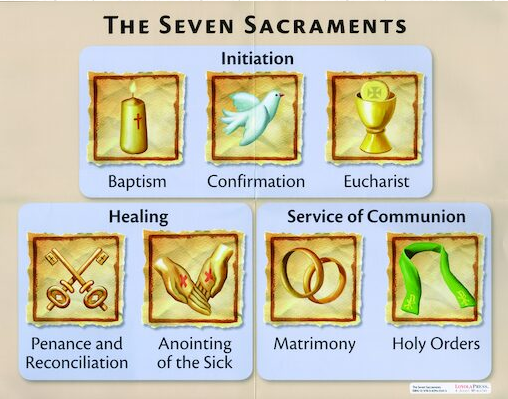
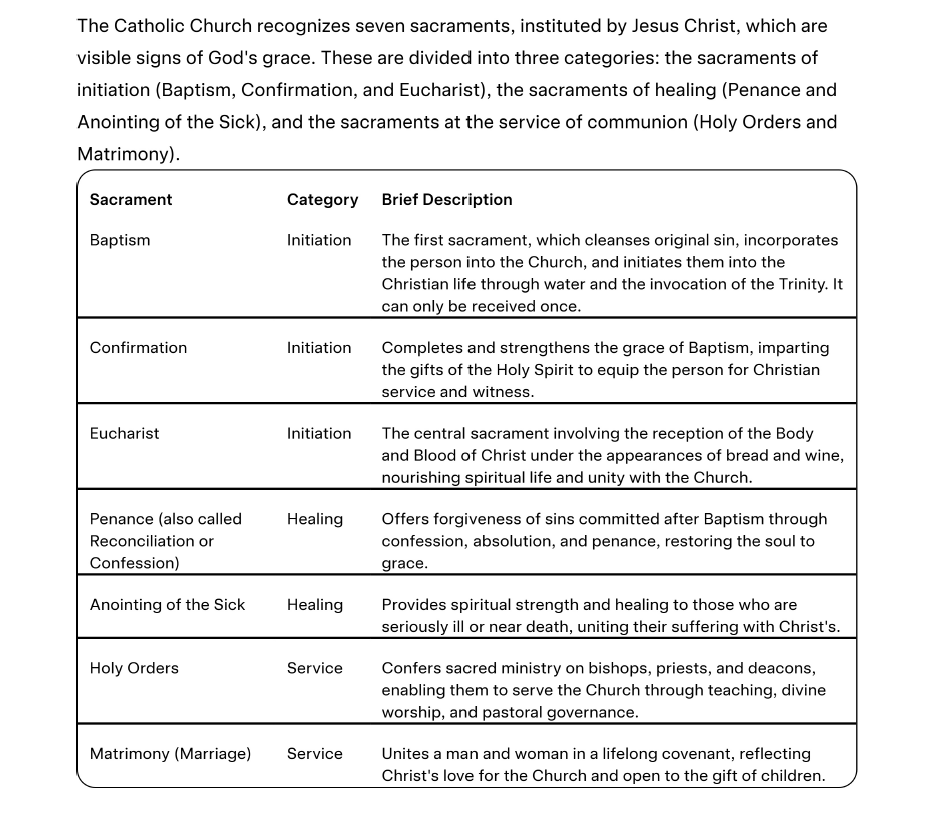
Baptism
Accordion Content
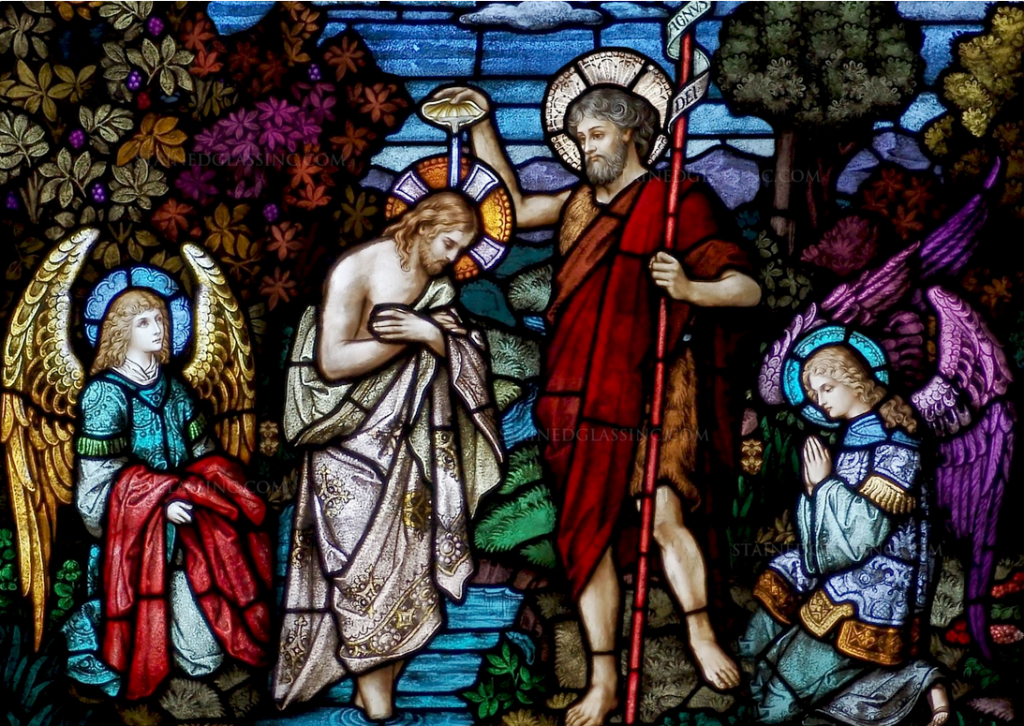
The Sacrament of Baptism holds a foundational place in the Catholic Church as the first of the seven sacraments and the gateway to Christian life, serving as the door to the other sacraments and the basis for the entire spiritual journey. Derived from the Greek word “baptizein,” meaning “to plunge” or “immerse,” Baptism symbolizes a profound transformation where the recipient is plunged into the death of Christ and rises to new life, cleansed of sin and reborn through water and the Holy Spirit. It is not merely a symbolic act but a true sacrament instituted by Jesus Christ, conferring actual grace that incorporates the baptized into the Body of Christ (the Church), makes them adopted children of God, and initiates them into communion with the Trinity. This sacrament is essential for salvation, as it imparts the sanctifying grace necessary to enter the Kingdom of God, though God’s mercy extends possibilities for the unbaptized through means like baptism of desire or blood.
Baptism’s biblical roots are rich and multifaceted, prefigured in the Old Testament through events such as the Spirit hovering over the waters at Creation (Genesis 1:2), the flood of Noah symbolizing the destruction of sin and a fresh start, the Israelites’ passage through the Red Sea representing deliverance from slavery and evil, and the crossing of the Jordan River into the Promised Land. In the New Testament, Jesus explicitly commands it in the Great Commission: “Go, therefore, and make disciples of all nations, baptizing them in the name of the Father, and of the Son, and of the Holy Spirit” (Matthew 28:19), emphasizing its universal call. Jesus Himself was baptized by John in the Jordan River (Matthew 3:13-17), sanctifying the waters and modeling the sacrament, where the heavens opened, the Spirit descended like a dove, and the Father’s voice affirmed Him. Other key passages include Jesus’ conversation with Nicodemus: “No one can enter the kingdom of God without being born of water and Spirit” (John 3:5), and Peter’s call at Pentecost: “Repent and be baptized…for the forgiveness of your sins” (Acts 2:38), extending the promise to children as well. St. Paul’s writings further illuminate it as a participation in Christ’s death and resurrection (Romans 6:3-4), making the baptized a “new creature” (2 Corinthians 5:17).
The effects of Baptism are profound and transformative, operating on both a spiritual and communal level as outlined in the Catechism of the Catholic Church (CCC 1213-1284). Primarily, it washes away original sin—the inherited wounded state of human nature from Adam and Eve’s fall—and, for those baptized after the age of reason, all personal sins (mortal and venial) committed up to that point, imparting forgiveness and justification. It infuses sanctifying grace, making the recipient a temple of the Holy Spirit, who dwells within them as the “first installment of our inheritance” (Ephesians 1:14). Baptism imprints an indelible spiritual mark or “character” on the soul (CCC 1272-1274), a permanent seal that orients the person toward divine worship, enables participation in Christ’s priestly, prophetic, and kingly offices (1 Peter 2:9), and cannot be erased even by grave sin, though sin may hinder its fruits until reconciliation. As a result, the baptized become adopted sons and daughters of God, sharing in the divine life of the Trinity, united more intimately with Christ, and incorporated into the Church as members of His mystical Body, fostering a new spiritual kinship among all the faithful. This sacrament also opens the door to the other sacraments, empowers the recipient for Christian living, and serves as a pledge of eternal life.
The rite of Baptism, as detailed in the Rite of Baptism for Children (which applies symbolically to adults), is a structured liturgical celebration rich in symbolism, typically performed during Mass on Sundays to emphasize community. It begins at the church entrance, signifying welcome into the Church, with the minister (usually a priest or deacon) greeting the family and marking the recipient with the Sign of the Cross on the forehead, joined by parents and godparents. Scripture readings and a homily follow, highlighting faith’s proclamation. A prayer of exorcism renounces evil, followed by anointing with the Oil of Catechumens on the chest for spiritual strength. The baptismal water is blessed, invoking its salvific history from Creation to Christ’s baptism. Parents and godparents then renounce sin, profess the faith (Apostles’ Creed), and affirm their commitment to raise the child in the Catholic faith. The core act is the triple pouring of water (or immersion) over the head while pronouncing the form: “I baptize you in the name of the Father, and of the Son, and of the Holy Spirit.” Post-baptism, the recipient is anointed with Sacred Chrism on the forehead, symbolizing consecration by the Holy Spirit and the sweet fragrance of Christ. They are clothed in a white garment representing purity and being “clothed in Christ” (Galatians 3:27), and receive a lit candle from the Paschal candle, entrusting the light of faith to be kept alive. The rite concludes with a blessing of the parents and family. In emergencies, such as imminent death, only the essential water and formula are required, with supplementary rites possible later.
The matter of Baptism is natural water, used via pouring, sprinkling, or immersion, symbolizing cleansing, new birth, deliverance, and God’s covenant. The form is the precise Trinitarian invocation spoken with the intention to do what the Church does. For validity, both must be present; the sacrament is licit when aligned with Canon Law.
The ordinary ministers are bishops, priests, or deacons, who act in persona Christi (in the person of Christ), but in cases of necessity, any person—even unbaptized—can administer it, provided they use the proper matter, form, and intention.
Recipients include infants, children, and adults; for infants, it is encouraged soon after birth (within weeks) to bestow grace early, based on the parents’ faith and commitment to Catholic upbringing (Canon Law c. 867). Adults must desire it freely after preparation, often through the Rite of Christian Initiation of Adults (RCIA). Parental consent is required for minors, and non-practicing parents may be asked to delay until they recommit. Godparents, at least one fully initiated Catholic over 16, support the faith journey, representing the community; a baptized non-Catholic may serve as a Christian witness alongside a Catholic godparent. Baptism occurs once, as its character is permanent, and is recorded in parish registers for historical and sacramental purposes. In special cases, like adoption, specific rites and record protocols apply to respect civil and canon law.
Confirmation
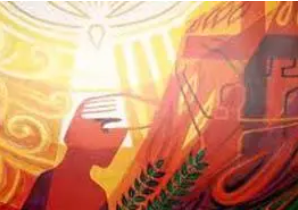
The Sacrament of Confirmation is one of the three sacraments of Christian initiation in the Catholic Church, alongside Baptism and the Eucharist, serving to complete and perfect the graces received in Baptism by bestowing a special outpouring of the Holy Spirit, akin to the events of Pentecost, thereby equipping the recipient for a mature, active role in the Christian life and the Church community. Rooted in Scripture, Confirmation draws from New Testament accounts where the Holy Spirit descended upon the Apostles (Acts 2:1-4) and was imparted through the laying on of hands by the Apostles themselves (e.g., Acts 8:14-17 and Acts 19:5-6), signifying the transmission of spiritual strength and gifts for evangelization and perseverance in faith. The term “Confirmation” derives from the Latin confirmare, meaning “to strengthen” or “to establish,” reflecting its role in confirming and deepening the baptismal commitment.
Instituted by Christ implicitly through his promise of the Holy Spirit (John 14:16-17, 26) and made explicit in the early Church’s practices, Confirmation was originally administered immediately after Baptism in the early Christian era, but over time, especially in the Western (Latin) Rite, it became separated to emphasize the bishop’s role as a sign of unity with the universal Church. In the Eastern Rites, it is still conferred alongside Baptism and the Eucharist, even for infants, by a priest using chrism blessed by the bishop, while in the Latin Rite, it is typically received later, after the age of reason (around seven years old), following catechetical preparation to ensure understanding and personal commitment. The sacrament is necessary for the full completion of baptismal grace, making it obligatory for Catholics who have reached the age of discretion, though it is not strictly required for salvation in the same way as Baptism.
The essential rite of Confirmation, as outlined in the Catechism of the Catholic Church (CCC 1293-1301), involves the bishop (or a delegated priest in certain circumstances, such as danger of death or pastoral need) extending his hands over the candidates in a gesture of invocation, praying for the Holy Spirit’s descent: “All-powerful God, Father of our Lord Jesus Christ, by water and the Holy Spirit you freed your sons and daughters from sin and gave them new life. Send your Holy Spirit upon them to be their helper and guide.” This is followed by the anointing of the forehead with sacred chrism—a mixture of olive oil and balsam consecrated by the bishop on Holy Thursday—while pronouncing the words: “Be sealed with the Gift of the Holy Spirit.” The chrism symbolizes abundance, joy, and the indelible spiritual seal (or “character”) imprinted on the soul, marking the person as belonging fully to Christ and the Church, much like a soldier’s brand in ancient times signified allegiance. Candidates often choose a confirmation name of a saint as a patron and are accompanied by a sponsor (usually a godparent from Baptism) who attests to their readiness and supports their faith journey.
The effects of Confirmation are multifaceted and profound, as detailed in CCC 1302-1305: It increases and deepens baptismal grace by rooting the recipient more deeply in divine sonship (enabling a cry of “Abba! Father!” as in Romans 8:15), uniting them more firmly to Christ, rendering their bond with the Church more perfect, and imparting a special strength of the Holy Spirit to spread and defend the faith as true witnesses. Specifically, it enhances the seven gifts of the Holy Spirit—wisdom, understanding, counsel (right judgment), fortitude (courage), knowledge, piety (reverence), and fear of the Lord (wonder and awe)—which empower the confirmed to live out their faith boldly, resist temptation, and engage in missionary witness within their families, communities, and the world. This sacrament imprints an indelible spiritual mark, meaning it can be received only once, and it obliges the recipient to a life of active participation in the Church’s mission, including defending the faith and never being ashamed of the Cross.
Celebrated typically within the context of the Mass, Confirmation emphasizes communal worship and the bishop’s apostolic succession, fostering unity among the faithful. Preparation involves catechesis focused on the person of Jesus Christ, the Holy Spirit’s role, and the responsibilities of Christian maturity, ensuring the candidate freely professes the faith, is in a state of grace (often through prior reception of Penance), and desires to receive the sacrament. In essence, Confirmation transforms the baptized into fully initiated members of the Church, endowing them with the spiritual maturity and fortitude to live as disciples of Christ in an often challenging world.
Eucharist
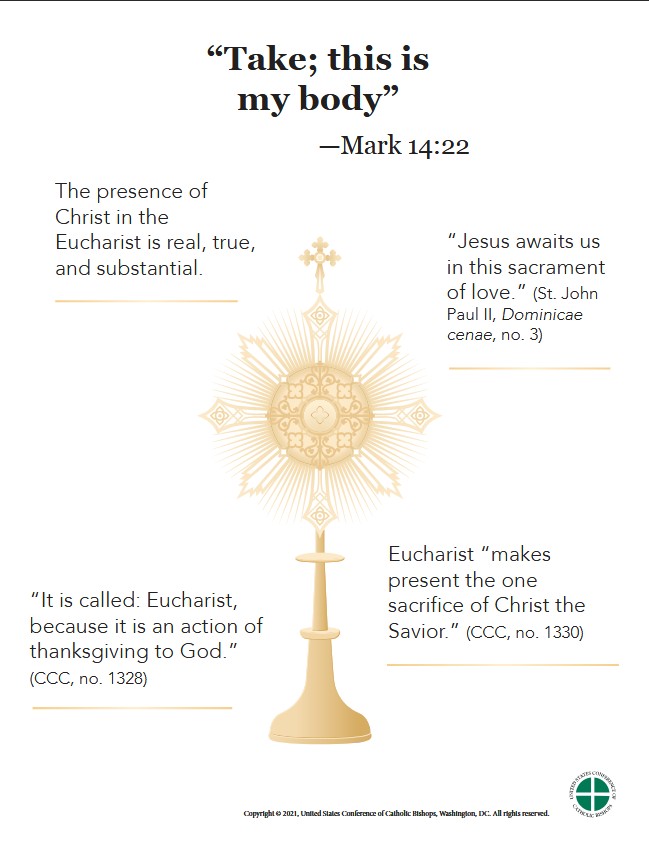
The Sacrament of the Eucharist, also known as Holy Communion or the Blessed Sacrament, is central to Catholic faith and worship, described as the “source and summit of the Christian life” because it encapsulates the essence of Christian belief and practice, uniting believers with Christ’s sacrifice and nourishing their spiritual journey. The term “Eucharist” derives from the Greek word eucharistia, meaning “thanksgiving,” reflecting its role as an act of gratitude to God for Christ’s redemptive work.
Instituted by Jesus Christ at the Last Supper, the Eucharist perpetuates His sacrifice on the cross throughout the ages until His return, serving as a memorial of His death and resurrection. During this event, Jesus took bread and wine, blessed them, and declared them to be His Body and Blood, commanding His disciples to “do this in memory of me” (Luke 22:19; 1 Corinthians 11:24-25), thus entrusting the Church with this rite as a sign of unity, a bond of charity, and a paschal banquet.
At the heart of Catholic teaching is the doctrine of the Real Presence: Through the power of the Holy Spirit and the words of consecration spoken by a priest, the bread and wine are transformed into the actual Body, Blood, Soul, and Divinity of Jesus Christ, while retaining their outward appearances (accidents) of bread and wine. This change, called transubstantiation, occurs during the Eucharistic Prayer in the Mass, making Christ truly, really, and substantially present—not symbolically, but sacramentally. The Eucharist is thus both a sacrament (an outward sign of inward grace) and a sacrifice, re-presenting (making present again) Christ’s one eternal sacrifice on Calvary in an unbloody manner, without him dying anew.
The celebration of the Eucharist takes place within the Mass, which consists of two main parts: the Liturgy of the Word (proclamation of Scripture and homily) and the Liturgy of the Eucharist (offertory, Eucharistic Prayer with consecration, and Communion). In the Eucharistic Prayer, the priest invokes the Father, recounts the institution narrative, and offers the gifts, culminating in the consecration where the transformation occurs. Faithful Catholics in a state of grace (free from mortal sin) receive Holy Communion, consuming the consecrated host (and often the Precious Blood from the chalice), which fosters intimate union with Christ and the Church community. The Mass always includes elements like thanksgiving to God, consecration, and participation in the banquet, forming a single act of worship that associates the Church with Christ’s offering to the Father.
The effects of the Eucharist are profound: It imparts sanctifying Grace, filling the mind with divine favor, strengthening against sin, and serving as a pledge of eternal life and future glory. As a meal, it nourishes the soul and builds ecclesial communion; as a sacrifice of praise, it thanks God for creation and redemption while pouring out graces of salvation on the Church, which is Christ’s Body. It is the culmination of God’s sanctifying action and humanity’s worship, embodying past (Christ’s passion), present (real presence in the community), and future (eschatological hope) dimensions. In Catholic tradition, the Eucharist completes Christian initiation (following Baptism and Confirmation) and is reserved for the tabernacle for adoration, emphasizing its role as the heart of the Church’s life.
Reconciliation (also Penance or Confession)
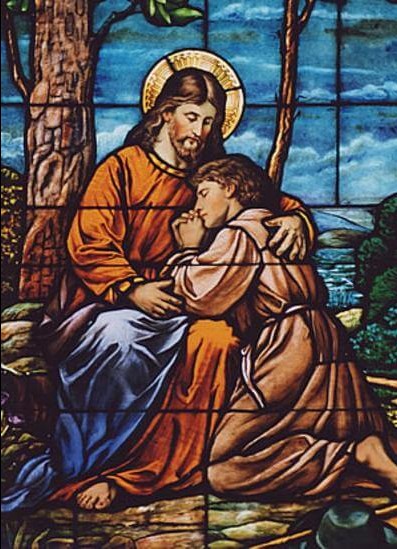
The Sacrament of Penance, also known as the Sacrament of Reconciliation or Confession, is one of the seven sacraments in the Catholic Church. It is a sacrament of healing that provides forgiveness for sins committed after Baptism, reconciling the sinner with God and the Church community. Instituted by Jesus Christ, it allows baptized individuals who have fallen into sin—especially grave sin—to receive God’s mercy through the ministry of a priest. This sacrament emphasizes repentance, conversion, and spiritual renewal, serving as a means to restore one’s relationship with God and to grow in holiness.
Names and Theological Significance
The sacrament goes by several names, each highlighting a different aspect:
- Confession: Refers to the act of disclosing sins to a priest.
- Penance: Emphasizes the acts of satisfaction or reparation for sins, which help deepen conversion and turn away from wrongdoing.
- Reconciliation: Focuses on restoring harmony with God, the Church, and others, as it heals the wounds caused by sin. Theologically, it is rooted in Christ’s command to the apostles: “Whose sins you forgive are forgiven them, and whose sins you retain are retained” (John 20:23), granting priests the authority to absolve sins in Christ’s name.
Who Can Receive It and When?
This sacrament is primarily for baptized Catholics who have committed sins after their Baptism, particularly mortal (grave) sins that sever one’s relationship with God. Venial (lesser) sins can also be confessed, though they may be forgiven through other means like prayer or the Eucharist. The Church encourages frequent reception, at least once a year for those aware of mortal sin, but more often for spiritual growth. Children typically receive their first Confession around age 7, before First Communion, after preparation through catechesis.
Non-Catholics, such as Eastern Orthodox Christians, may receive it in certain circumstances, but generally, it is reserved for Catholics in good standing. In cases of imminent death, even those in irregular situations (e.g., divorced and remarried without annulment) may seek absolution if truly repentant.
The Process of the Sacrament
The rite of Penance follows a structured process, which can occur individually (most common) or communally with individual confession. Here’s a step-by-step breakdown based on the traditional Roman Catholic rite:
- Examination of Conscience: Before entering the confessional, the penitent prayerfully reviews their life against the Ten Commandments, the Beatitudes, or other moral guides to identify sins committed in thought, word, deed, or omission.
- Contrition: The penitent must have sincere sorrow for sins, motivated by love for God (perfect contrition) or fear of punishment (imperfect contrition, which is sufficient for the sacrament). This includes a firm resolve to avoid sin in the future (amendment of life).
- Confession: In the confessional (a screen or face-to-face), the penitent greets the priest, makes the Sign of the Cross, states how long since their last confession, and confesses sins in kind and number (e.g., “I lied three times”). The priest may offer counsel or ask questions for clarity.
- Absolution: If the priest judges the confession sincere, he pronounces the words of absolution: “God, the Father of mercies, through the death and resurrection of his Son has reconciled the world to himself… I absolve you from your sins in the name of the Father, and of the Son, and of the Holy Spirit.” This grants forgiveness through Christ’s authority.
- Satisfaction (Penance): The priest assigns a penance, such as prayers (e.g., Hail Marys), acts of charity, fasting, or reading Scripture, to make reparation for sins and foster conversion. The penitent completes this after leaving the confessional. Examples include “a prayer, an offering, works of mercy, service of neighbour, voluntary self-denial, sacrifices, and above all, the patient acceptance of the cross.”
The entire process is confidential under the Seal of Confession, meaning the priest can never reveal what is said, even under threat of death.
Effects and Benefits
The sacrament produces several spiritual effects:
- Forgiveness of Sins: All confessed sins are forgiven, restoring sanctifying grace lost through mortal sin.
- Reconciliation: Heals division with God and the Church, reintegrating the sinner into full communion.
- Spiritual Strength: Provides grace to resist future temptations and grow in virtue.
- Peace and Mercy: Offers profound encounter with God’s love, alleviating guilt and promoting inner peace. It also remits some or all temporal punishment due to sin (the lingering effects), though indulgences or further penance may address the rest.
Historical and Modern Context
Historically, early Church penance was public for grave sins, but by the 7th century, private confession became the norm, influenced by Irish monastic practices. The Second Vatican Council (1962-1965) emphasized its reconciliatory aspect, leading to the current Rite of Penance (1973), which offers options like communal services. Today, it’s seen as essential for ongoing conversion, especially during Lent or before major feasts. Pope Francis has highlighted it as a “sacrament of joy,” encouraging frequent use without fear.
In summary, the Sacrament of Penance is a vital expression of God’s infinite mercy, inviting Catholics to continual repentance and renewal.
Anointing of the Sick
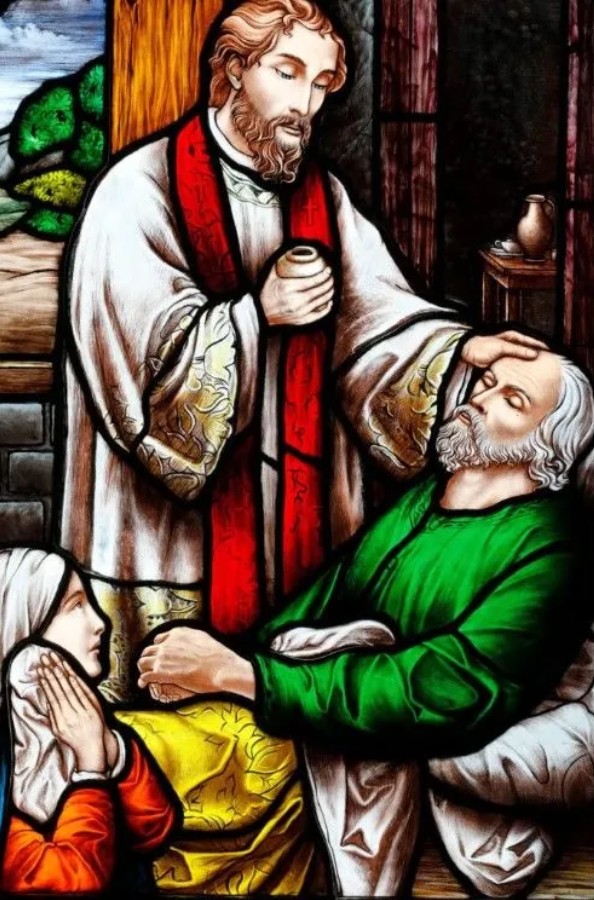
The Sacrament of Anointing of the Sick, one of the seven sacraments in the Catholic Church and categorized under the sacraments of healing (alongside Penance), is a rite of spiritual comfort, strength, and forgiveness administered to those experiencing serious illness, frailty due to old age, or facing the possibility of death, such as before major surgery or in life-threatening emergencies. Formerly known as Extreme Unction or Last Rites, its name was updated following the Second Vatican Council to reflect its broader purpose beyond just preparation for death, emphasizing healing and union with Christ’s suffering for the good of the individual and the entire Church. This sacrament is not merely a symbolic gesture but an efficacious encounter with Christ’s healing ministry, imparting graces through the Holy Spirit to alleviate anxiety, discouragement, temptation, and suffering, while offering peace, fortitude, and sometimes physical recovery if aligned with God’s will.
Instituted by Jesus Christ during His earthly ministry, the sacrament finds its scriptural foundation in the New Testament, particularly in the Gospel of Mark (6:13), where the Apostles “anointed with oil many who were sick and cured them,” and in the Epistle of James (5:14-15): “Is anyone among you sick? He should summon the presbyters of the church, and they should pray over him and anoint [him] with oil in the name of the Lord, and the prayer of faith will save the sick person, and the Lord will raise him up. If he has committed any sins, he will be forgiven.” This biblical mandate underscores the sacrament’s dual focus on physical and spiritual restoration, echoing Jesus’ own acts of healing the sick through touch and prayer, as seen in passages like Luke 4:40, where He laid hands on the ill and healed them. The Catechism of the Catholic Church (CCC 1511-1513) affirms its divine origin, noting it was promulgated by James and has been practiced in the Church since apostolic times, evolving in form but retaining its core elements.
The celebration of the sacrament, as detailed in the Rite of Anointing of the Sick (CCC 1517-1519), is a liturgical act typically performed by a priest (or bishop) and can occur in various settings, such as a hospital, home, or church, ideally within the context of the Eucharist if possible, to emphasize communal prayer and support. It consists of three essential parts: the prayer of faith (a communal intercession invoking God’s mercy), the laying on of hands (a gesture of blessing and invocation of the Holy Spirit, recalling Jesus’ healing method), and the anointing with the Oil of the Sick (oleum infirmorum), a blessed olive oil or other pure plant oil consecrated by the bishop during the Chrism Mass on Holy Thursday. In the Roman Rite, the priest anoints the forehead and hands (or other affected areas if needed, per local customs) while reciting the sacramental formula: “Through this holy anointing may the Lord in his love and mercy help you with the grace of the Holy Spirit. May the Lord who frees you from sin save you and raise you up.” The rite may include a penitential prayer, Liturgy of the Word with Scripture readings (e.g., from James or the Gospels on healing), a homily, and, if the recipient is able, the reception of Penance and Holy Communion (Viaticum if near death) to complete the sacraments of healing and provide spiritual nourishment. In Eastern Rites, anointing may extend to additional body parts, but the essence remains the same.
The effects of the sacrament, as explained in CCC 1520-1523, are multifaceted and operate ex opere operato (by the very fact of the action being performed), provided the recipient is properly disposed. Primarily, it unites the sick person more intimately with the Passion of Christ, transforming their suffering into a redemptive offering for personal sanctification and the good of the Church. It confers a special grace of the Holy Spirit that strengthens against despair, forgives venial sins (and mortal sins if the person is contrite but unable to confess), and provides comfort, peace, and courage to endure illness or aging. If God’s will permits, it may restore physical health, but its primary aim is spiritual healing and preparation for eternal life, serving as a pledge of future resurrection. Unlike Baptism or Confirmation, it does not imprint an indelible character and can be received multiple times whenever a serious condition arises or worsens.
Eligibility for the sacrament requires that the recipient be a baptized Catholic who has reached the age of reason (around seven years old), is in danger from illness or old age, and does not persist in manifest grave sin; it is not reserved solely for those at the point of death but should be sought early in serious illness to allow for repeated reception if needed. The ordinary minister is a priest or bishop, acting in the person of Christ, though in emergencies, any priest can administer it; deacons and laypeople cannot. In communal celebrations, such as in nursing homes or during Mass for the sick, multiple people can receive it together, fostering a sense of ecclesial solidarity. Overall, the Anointing of the Sick embodies the Church’s compassionate ministry, mirroring Jesus’ outreach to the suffering and affirming the dignity of human life in vulnerability.
Holy Orders
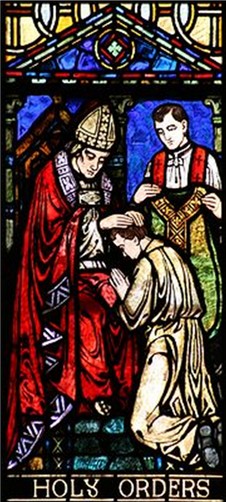
The Sacrament of Holy Orders is one of the seven sacraments in the Catholic Church, categorized under the sacraments at the service of communion (alongside Matrimony), through which baptized men are consecrated and empowered by the Holy Spirit to continue the apostolic ministry entrusted by Christ to His apostles, serving the Church in roles of teaching, sanctifying, and governing. Often referred to as the sacrament of apostolic ministry or ordination, it derives its name from the Latin ordo, signifying an established body or rank within the Church’s hierarchy, setting apart individuals for sacred service. This sacrament distinguishes the ministerial priesthood (ordained clergy) from the common priesthood of all baptized believers, with the former existing to serve and unfold the graces of the latter, ensuring the Church’s continuity and vitality until the end of time.
Instituted by Jesus Christ Himself, Holy Orders finds its biblical foundations in the New Testament, where Christ selected and empowered the Twelve Apostles as the first priests and bishops, commissioning them to proclaim the Gospel, forgive sins, and celebrate the Eucharist (e.g., Matthew 28:18-20; John 20:21-23; Luke 22:19). The Acts of the Apostles further illustrates the early Church’s practice of ordination through the laying on of hands to appoint successors, such as the selection of the first deacons (Acts 6:1-6) and the commissioning of Paul and Barnabas (Acts 13:2-3), emphasizing the transmission of authority and grace from the apostles onward. Old Testament prefigurations include the priesthood of Melchizedek (Genesis 14:18; Hebrews 7) and the Levitical priesthood, which pointed to Christ’s eternal high priesthood, now shared through Holy Orders. As articulated in the Catechism of the Catholic Church (CCC 1536-1600), this sacrament perpetuates Christ’s priestly, prophetic, and kingly offices in the Church, making ordained ministers act in persona Christi Capitis (in the person of Christ the Head).
Holy Orders comprises three distinct but interrelated degrees, each conferring specific roles and graces, with ordination to higher degrees building upon the lower ones. The episcopate (bishops) represents the fullness of the sacrament, as bishops are successors to the apostles, possessing the authority to ordain others, govern dioceses, teach doctrine, and ensure unity with the universal Church; they alone can confer all sacraments, including Holy Orders. The presbyterate (priests) collaborates with bishops, focusing on pastoral ministry such as celebrating the Eucharist, preaching, administering sacraments (except Confirmation and Holy Orders, unless delegated), and leading parishes as extensions of the bishop’s authority. The diaconate (deacons) serves in roles of charity, liturgy, and proclamation, assisting at Mass, baptizing, witnessing marriages, and engaging in works of mercy, but without the power to celebrate the Eucharist or hear confessions. Deacons may be transitional (en route to priesthood) or permanent (often married men).
The effects of Holy Orders are profound and permanent, as detailed in CCC 1581-1589: It imparts an indelible spiritual character on the soul—similar to Baptism and Confirmation—configuring the recipient to Christ the Priest, enabling them to act in His name with sacred power (sacra potestas) derived solely from Him. This character cannot be removed, even by defrocking or laicization, and allows the ordained to exercise ministry validly, though licitly only within Church norms. The sacrament confers graces for faithful service, including the strength to live celibacy (for Latin Rite priests and bishops), pastoral zeal, and conformity to Christ’s self-giving love. It fosters ecclesial communion by linking the ordained to the bishop and the wider Church, emphasizing service over power.
The rite of ordination, as outlined in the Roman Pontifical and CCC 1572-1580, is a solemn liturgical celebration typically within the Eucharist, symbolizing the ordained’s integration into the Church’s worship. Essential elements include the laying on of hands by the bishop (and co-consecrators for bishops, or priests for presbyters) as a sign of the Holy Spirit’s descent, followed by the prayer of consecration invoking God’s blessing and the outpouring of graces specific to the degree. Additional symbols vary by degree: for bishops, anointing with chrism, presentation of the Gospel book, ring, miter, and crosier; for priests, anointing of hands and presentation of paten and chalice; for deacons, presentation of the Gospel book. The candidate promises obedience to the bishop and, for priests, celibacy (in the Latin Rite). Ordination occurs only once per degree, as the character is indelible.
Eligibility is reserved to baptized Catholic men (viri baptizati) who discern a vocation through prayer, formation, and Church discernment, following Christ’s example of calling only men as apostles. Candidates undergo extensive preparation, including seminary studies in philosophy, theology, and pastoral skills, typically lasting 4-8 years, with requirements for spiritual maturity, celibacy (for Latin Rite priests and bishops; Eastern Rites allow married priests but not bishops), and freedom from impediments like prior marriage or grave scandals. The ordinary minister is a bishop, ensuring apostolic succession. In essence, Holy Orders sustains the Church’s sacramental life, embodying Christ’s ongoing presence and call to service.
Matrimony
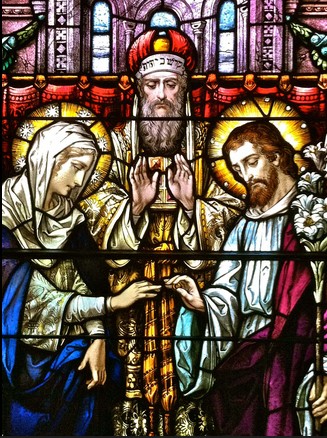
The Sacrament of Matrimony, also known as Holy Matrimony or Marriage, is one of the seven sacraments in the Catholic Church, categorized under the sacraments at the service of communion (alongside Holy Orders), through which a baptized man and a baptized woman enter into a lifelong covenant of love that mirrors the union between Christ and His Church, establishing a partnership ordered toward the good of the spouses and the procreation and education of children. Unlike a mere civil contract, it is a sacred covenant before God, an efficacious sign of grace that sanctifies the spouses, strengthens their indissoluble unity, and integrates their human love into divine love, making them witnesses to Christ’s fidelity. The term “matrimony” derives from the Latin matrimonium, emphasizing the mother’s role (mater) and the duties (munus) involved, but in Catholic teaching, it encompasses the mutual self-giving of husband and wife as equals in dignity.
Instituted by Jesus Christ, who elevated the natural institution of marriage to the dignity of a sacrament, Matrimony finds its biblical foundations throughout Scripture, beginning with Creation in Genesis where God creates man and woman in His image and likeness, declaring “it is not good for the man to be alone” (Genesis 2:18) and uniting them as “one flesh” (Genesis 2:24), blessing them to “be fruitful and multiply” (Genesis 1:28). Sin disrupted this original harmony, introducing discord, domination, lust, and infidelity (CCC 1606-1608), but the Old Testament Law and prophets prepared for restoration by emphasizing unity, indissolubility, and fidelity, portraying God’s covenant with Israel as a faithful marriage (e.g., Hosea, Isaiah). In the New Testament, Jesus affirms marriage’s indissolubility “from the beginning” (Matthew 19:3-12), rejects divorce as a concession to hardness of heart, and performs His first miracle at the Wedding at Cana (John 2:1-11), signifying marriage as a sign of His presence and the new covenant. St. Paul deepens this theology, describing marriage as a “great mystery” referring to Christ and the Church (Ephesians 5:21-33), where husbands love their wives as Christ loves the Church, and wives submit as the Church to Christ. Theologically, marriage reflects the Trinity’s communion of love, images God’s covenantal fidelity, and anticipates the heavenly wedding feast of the Lamb (Revelation 19:7-9), with virginity for the Kingdom complementing it as another form of spousal love for Christ (CCC 1618-1620).
The celebration of the Sacrament of Matrimony, as detailed in the Rite of Marriage (CCC 1621-1632), is a liturgical act preferably within the Eucharistic liturgy, emphasizing its ecclesial and sacramental character. In the Latin Rite, it begins with the Liturgy of the Word (Scripture readings, homily), followed by the exchange of consent before the priest or deacon and at least two witnesses, where the spouses declare: “I take you to be my wife/husband…to love and honor you all the days of my life.” The priest then receives this consent in the name of the Church, invokes God’s blessing, and the couple exchanges rings as signs of fidelity and love. If within Mass, the Nuptial Blessing follows the Our Father, praying for the Holy Spirit to unite the couple, and they receive Holy Communion under both species. In Eastern Rites, the priest crowns the spouses as a sign of martyrdom (witness to Christ) and imparts the blessing, with the Eucharist underscoring unity. The ministers of the sacrament are the spouses themselves, who confer it upon each other through their mutual consent; the priest or deacon acts as the Church’s official witness, ensuring validity and liceity (CCC 1623, 1625-1631). Essential elements include free matrimonial consent (the matter and form), expressed publicly, and the absence of impediments; preparation through remote (family education), proximate (catechesis), and immediate (pre-marital instruction) stages is emphasized to ensure understanding and commitment (CCC 1632).
The effects of Matrimony are profound, as outlined in CCC 1638-1642: It establishes an indissoluble bond sealed by God, perpetual and exclusive, which no human power can dissolve once validly contracted and consummated between baptized persons. The sacrament imparts a special grace from Christ that perfects the spouses’ natural love, strengthens their unity, forgives venial sins at the time of reception, and equips them for holiness in conjugal life, including bearing each other’s burdens, forgiving faults, and educating children in faith. This grace enables them to live out the demands of fidelity, indissolubility, and openness to life, transforming their union into a path to sanctification and a witness to the Gospel. It also builds the domestic church, where the family becomes a community of grace, prayer, and evangelization (CCC 1655-1658).
Matrimonial consent is the indispensable element, a free, irrevocable act of the will by which the spouses mutually give and accept each other in total self-donation, without coercion, grave fear, or deception; if lacking, the marriage is invalid, and the Church may declare nullity after tribunal investigation (CCC 1625-1629). For validity, the parties must be a baptized man and woman, free from impediments (e.g., prior bond, impotence, consanguinity), intending the essential properties (unity, indissolubility, openness to fertility), and following canonical form (before a Church minister and witnesses, unless dispensed). Mixed marriages (Catholic with baptized non-Catholic) require permission for liceity, while disparity of cult (with non-baptized) needs dispensation for validity; both pose challenges like faith differences and child education, but can be opportunities for ecumenism and conversion if the Catholic spouse remains faithful (CCC 1633-1637). Indissolubility is intrinsic, rooted in God’s plan and Christ’s teaching; even in cases of separation for grave reasons (e.g., abuse), the bond persists, and remarriage while the spouse lives is invalid, constituting adultery (Matthew 19:6; CCC 1649-1651). Divorced and civilly remarried persons remain part of the Church but cannot receive Communion unless living in continence; the community supports them through prayer and charity.
Other key aspects include openness to fertility, where contraception contradicts the total self-giving (CCC 1652-1654), and the role of childless couples in radiating charity; polygamy violates unity (CCC 1645); and the Church’s pastoral care for wounded families, encouraging reconciliation and fidelity amid difficulties. In essence, Matrimony embodies God’s design for human love, fostering holiness, family, and ecclesial communion as a foretaste of eternal union with God.
Holy Matrimony – Extract from ‘Gaudium et Spes’
FOSTERING THE NOBILITY OF MARRIAGE AND THE FAMILY
47. The well-being of the individual person and of human and Christian society is intimately linked with the healthy condition of that community produced by marriage and family. Hence Christians and all men who hold this community in high esteem sincerely rejoice in the various ways by which men today find help in fostering this community of love and perfecting its life, and by which parents are assisted in their lofty calling. Those who rejoice in such aids look for additional benefits from them and labour to bring them about.
Yet the excellence of this institution is not everywhere reflected with equal brilliance, since polygamy, the plague of divorce, so-called free love and other disfigurements have an obscuring effect. In addition, married love is too often profaned by excessive self-love, the worship of pleasure and illicit practices against human generation. Moreover, serious disturbances are caused in families by modern economic conditions, by influences at once social and psychological, and by the demands of civil society. Finally, in certain parts of the world problems resulting from population growth are generating concern.
All these situations have produced anxiety of consciences. Yet, the power and strength of the institution of marriage and family can also be seen in the fact that time and again, despite the difficulties produced, the profound changes in modern society reveal the true character of this institution in one way or another.
Therefore, by presenting certain key points of Church doctrine in a clearer light, this sacred synod wishes to offer guidance and support to those Christians and other men who are trying to preserve the holiness and to foster the natural dignity of the married state and its superlative value.
48. The intimate partnership of married life and love has been established by the Creator and qualified by His laws, and is rooted in the conjugal covenant of irrevocable personal consent. Hence by that human act whereby spouses mutually bestow and accept each other a relationship arises which by divine will and in the eyes of society too is a lasting one. For the good of the spouses and their off-springs as well as of society, the existence of the sacred bond no longer depends on human decisions alone. For, God Himself is the author of matrimony, endowed as it is with various benefits and purposes. All of these have a very decisive bearing on the continuation of the human race, on the personal development and eternal destiny of the individual members of a family, and on the dignity, stability, peace and prosperity of the family itself and of human society as a whole. By their very nature, the institution of matrimony itself and conjugal love are ordained for the procreation and education of children, and find in them their ultimate crown. Thus a man and a woman, who by their compact of conjugal love “are no longer two, but one flesh” (Matt. 19:ff), render mutual help and service to each other through an intimate union of their persons and of their actions. Through this union they experience the meaning of their oneness and attain to it with growing perfection day by day. As a mutual gift of two persons, this intimate union and the good of the children impose total fidelity on the spouses and argue for an unbreakable oneness between them.
Christ the Lord abundantly blessed this many-faceted love, welling up as it does from the fountain of divine love and structured as it is on the model of His union with His Church. For as God of old made Himself present to His people through a covenant of love and fidelity, so now the Savior of men and the Spouse of the Church comes into the lives of married Christians through the sacrament of matrimony. He abides with them thereafter so that just as He loved the Church and handed Himself over on her behalf, the spouses may love each other with perpetual fidelity through mutual self-bestowal.
Authentic married love is caught up into divine love and is governed and enriched by Christ’s redeeming power and the saving activity of the Church, so that this love may lead the spouses to God with powerful effect and may aid and strengthen them in sublime office of being a father or a mother. For this reason Christian spouses have a special sacrament by which they are fortified and receive a kind of consecration in the duties and dignity of their state. By virtue of this sacrament, as spouses fulfil their conjugal and family obligation, they are penetrated with the spirit of Christ, which suffuses their whole lives with faith, hope and charity. Thus they increasingly advance the perfection of their own personalities, as well as their mutual sanctification, and hence contribute jointly to the glory of God.
As a result, with their parents leading the way by example and family prayer, children and indeed everyone gathered around the family hearth will find a readier path to human maturity, salvation and holiness. Graced with the dignity and office of fatherhood and motherhood, parents will energetically acquit themselves of a duty which devolves primarily on them, namely education and especially religious education.
As living members of the family, children contribute in their own way to making their parents holy. For they will respond to the kindness of their parents with sentiments of gratitude, with love and trust. They will stand by them as children should when hardships overtake their parents and old age brings its loneliness. Widowhood, accepted bravely as a continuation of the marriage vocation, should be esteemed by all. Families too will share their spiritual riches generously with other families. Thus the Christian family, which springs from marriage as a reflection of the loving covenant uniting Christ with the Church, and as a participation in that covenant, will manifest to all men Christ’s living presence in the world, and the genuine nature of the Church. This the family will do by the mutual love of the spouses, by their generous fruitfulness, their solidarity and faithfulness, and by the loving way in which all members of the family assist one another.
49. The biblical Word of God several times urges the betrothed and the married to nourish and develop their wedlock by pure conjugal love and undivided affection. Many men of our own age also highly regard true love between husband and wife as it manifests itself in a variety of ways depending on the worthy customs of various peoples and times.
This love is an eminently human one since it is directed from one person to another through an affection of the will; it involves the good of the whole person, and therefore can enrich the expressions of body and mind with a unique dignity, ennobling these expressions as special ingredients and signs of the friendship distinctive of marriage. This love God has judged worthy of special gifts, healing, perfecting and exalting gifts of grace and of charity. Such love, merging the human with the divine, leads the spouses to a free and mutual gift of themselves, a gift providing itself by gentle affection and by deed, such love pervades the whole of their lives: indeed by its busy generosity it grows better and grows greater. Therefore it far excels mere erotic inclination, which, selfishly pursued, soon enough fades wretchedly away.
This love is uniquely expressed and perfected through the appropriate enterprise of matrimony. The actions within marriage by which the couple are united intimately and chastely are noble and worthy ones. Expressed in a manner which is truly human, these actions promote that mutual self-giving by which spouses enrich each other with a joyful and a ready will. Sealed by mutual faithfulness and hallowed above all by Christ’s sacrament, this love remains steadfastly true in body and in mind, in bright days or dark. It will never be profaned by adultery or divorce. Firmly established by the Lord, the unity of marriage will radiate from the equal personal dignity of wife and husband, a dignity acknowledged by mutual and total love. The constant fulfilment of the duties of this Christian vocation demands notable virtue. For this reason, strengthened by grace for holiness of life, the couple will painstakingly cultivate and pray for steadiness of love, large heartedness and the spirit of sacrifice.
Authentic conjugal love will be more highly prized, and wholesome public opinion created about it if Christian couples give outstanding witness to faithfulness and harmony in their love, and to their concern for educating their children also, if they do their part in bringing about the needed cultural, psychological and social renewal on behalf of marriage and the family. Especially in the heart of their own families, young people should be aptly and seasonably instructed in the dignity, duty and work of married love. Trained thus in the cultivation of chastity, they will be able at a suitable age to enter a marriage of their own after an honourable courtship.
50. Marriage and conjugal love are by their nature ordained toward the begetting and educating of children. Children are really the supreme gift of marriage and contribute very substantially to the welfare of their parents. The God Himself Who said, “it is not good for man to be alone” (Gen. 2:18) and “Who made man from the beginning male and female” (Matt. 19:4), wishing to share with man a certain special participation in His own creative work, blessed male and female, saying: “Increase and multiply” (Gen. 1:28). Hence, while not making the other purposes of matrimony of less account, the true practice of conjugal love, and the whole meaning of the family life which results from it, have this aim: that the couple be ready with stout hearts to cooperate with the love of the Creator and the Savior. Who through them will enlarge and enrich His own family day by day.
Parents should regard as their proper mission the task of transmitting human life and educating those to whom it has been transmitted. They should realize that they are thereby cooperators with the love of God the Creator, and are, so to speak, the interpreters of that love. Thus they will fulfil their task with human and Christian responsibility, and, with docile reverence toward God, will make decisions by common counsel and effort. Let them thoughtfully take into account both their own welfare and that of their children, those already born and those which the future may bring. For this accounting they need to reckon with both the material and the spiritual conditions of the times as well as of their state in life. Finally, they should consult the interests of the family group, of temporal society, and of the Church herself. The parents themselves and no one else should ultimately make this judgment in the sight of God. But in their manner of acting, spouses should be aware that they cannot proceed arbitrarily, but must always be governed according to a conscience dutifully conformed to the divine law itself, and should be submissive toward the Church’s teaching office, which authentically interprets that law in the light of the Gospel. That divine law reveals and protects the integral meaning of conjugal love, and impels it toward a truly human fulfilment. Thus, trusting in divine Providence and refining the spirit of sacrifice, married Christians glorify the Creator and strive toward fulfilment in Christ when with a generous human and Christian sense of responsibility they acquit themselves of the duty to procreate. Among the couples who fulfil their God-given task in this way, those merit special mention who with a gallant heart and with wise and common deliberation, undertake to bring up suitably even a relatively large family.
Marriage to be sure is not instituted solely for procreation; rather, its very nature as an unbreakable compact between persons, and the welfare of the children, both demand that the mutual love of the spouses be embodied in a rightly ordered manner, that it grow and ripen. Therefore, marriage persists as a whole manner and communion of life, and maintains its value and indissolubility, even when despite the often intense desire of the couple, offspring are lacking.
51. This council realizes that certain modern conditions often keep couples from arranging their married lives harmoniously, and that they find themselves in circumstances where at least temporarily the size of their families should not be increased. As a result, the faithful exercise of love and the full intimacy of their lives is hard to maintain. But where the intimacy of married life is broken off, its faithfulness can sometimes be imperilled and its quality of fruitfulness ruined, for then the upbringing of the children and the courage to accept new ones are both endangered.
To these problems there are those who presume to offer dishonourable solutions indeed; they do not recoil even from the taking of life. But the Church issues the reminder that a true contradiction cannot exist between the divine laws pertaining to the transmission of life and those pertaining to authentic conjugal love.
For God, the Lord of life, has conferred on men the surpassing ministry of safeguarding life in a manner which is worthy of man. Therefore from the moment of its conception life must be guarded with the greatest care while abortion and infanticide are unspeakable crimes. The sexual characteristics of man and the human faculty of reproduction wonderfully exceed the dispositions of lower forms of life. Hence the acts themselves which are proper to conjugal love and which are exercised in accord with genuine human dignity must be honoured with great reverence. Hence when there is question of harmonizing conjugal love with the responsible transmission of life, the moral aspects of any procedure does not depend solely on sincere intentions or on an evaluation of motives, but must be determined by objective standards. These, based on the nature of the human person and his acts, preserve the full sense of mutual self-giving and human procreation in the context of true love. Such a goal cannot be achieved unless the virtue of conjugal chastity is sincerely practiced. Relying on these principles, sons of the Church may not undertake methods of birth control which are found blameworthy by the teaching authority of the Church in its unfolding of the divine law.
All should be persuaded that human life and the task of transmitting it are not realities bound up with this world alone. Hence they cannot be measured or perceived only in terms of it, but always have a bearing on the eternal destiny of men.
52. The family is a kind of school of deeper humanity. But if it is to achieve the full flowering of its life and mission, it needs the kindly communion of minds and the joint deliberation of spouses, as well as the painstaking cooperation of parents in the education of their children. The active presence of the father is highly beneficial to their formation. The children, especially the younger among them, need the care of their mother at home. This domestic role of hers must be safely preserved, though the legitimate social progress of women should not be underrated on that account.
Children should be so educated that as adults they can follow their vocation, including a religious one, with a mature sense of responsibility and can choose their state of life; if they marry, they can thereby establish their family in favourable moral, social and economic conditions. Parents or guardians should by prudent advice provide guidance to their young with respect to founding a family, and the young ought to listen gladly. At the same time no pressure, direct or indirect, should be put on the young to make them enter marriage or choose a specific partner.
Thus the family, in which the various generations come together and help one another grow wiser and harmonize personal rights with the other requirements of social life, is the foundation of society. All those, therefore, who exercise influence over communities and social groups should work efficiently for the welfare of marriage and the family. Public authority should regard it as a sacred duty to recognize, protect and promote their authentic nature, to shield public morality and to favour the prosperity of home life. The right of parents to beget and educate their children in the bosom of the family must be safeguarded. Children too who unhappily lack the blessing of a family should be protected by prudent legislation and various undertakings and assisted by the help they need.
Christians, redeeming the present time and distinguishing eternal realities from their changing expressions, should actively promote the values of marriage and the family, both by the examples of their own lives and by cooperation with other men of good will. Thus when difficulties arise, Christians will provide, on behalf of family life, those necessities and helps which are suitably modern. To this end, the Christian instincts of the faithful, the upright moral consciences of men, and the wisdom and experience of persons versed in the sacred sciences will have much to contribute.
Those too who are skilled in other sciences, notably the medical, biological, social and psychological, can considerably advance the welfare of marriage and the family along with peace of conscience if by pooling their efforts they labour to explain more thoroughly the various conditions favouring a proper regulation of births.
It devolves on priests duly trained about family matters to nurture the vocation of spouses by a variety of pastoral means, by preaching God’s word, by liturgical worship, and by other spiritual aids to conjugal and family life; to sustain them sympathetically and patiently in difficulties, and to make them courageous through love, so that families which are truly illustrious can be formed.
Various organizations, especially family associations, should try by their programs of instruction and action to strengthen young people and spouses themselves, particularly those recently wed, and to train them for family, social and apostolic life.
Finally, let the spouses themselves, made to the image of the living God and enjoying the authentic dignity of persons, be joined to one another in equal affection, harmony of mind and the work of mutual sanctification. Thus, following Christ who is the principle of life, by the sacrifices and joys of their vocation and through their faithful love, married people can become witnesses of the mystery of love which the Lord revealed to the world by His dying and His rising up to life again.
Rite of Christian Initiation of Adults (RCIA) – “A Journey in Faith”
The Rite of Christian Initiation of Adults (RCIA), also referred to as the Order of Christian Initiation of Adults (OCIA) in some contexts, is the normative process in the Catholic Church for unbaptized adults (and sometimes older children) to undergo conversion, formation, and initiation into full membership through the sacraments of Baptism, Confirmation, and the Eucharist, typically culminating at the Easter Vigil.
Restored by the Second Vatican Council in the 1970s based on ancient Church practices from the early centuries, RCIA emphasizes a gradual, communal journey of faith rather than a mere instructional program, involving prayer, catechesis (teaching), ritual celebrations, and active participation in parish life to foster genuine conversion and discernment. It is not limited to unbaptized individuals (known as catechumens); it also accommodates baptized Christians from other denominations (candidates) seeking full communion with the Catholic Church, who may receive Confirmation and Eucharist without repeating Baptism, as well as baptized Catholics needing to complete their initiation. The process is flexible, adapted to individual needs, but generally unfolds over at least one liturgical year to allow participants to experience the full cycle of Church seasons, with the entire parish community encouraged to support and pray for those in formation.
Rooted in Scripture and Tradition, RCIA draws from biblical models of conversion, such as the call of disciples, the Ethiopian eunuch’s baptism (Acts 8:26-40), and the early Church’s catechumenal practices, while being guided by the Rite of Christian Initiation of Adults liturgical book promulgated in 1972 (with revisions, such as the 2021 English edition emphasizing “order” over “rite”). As outlined in the Catechism of the Catholic Church (CCC 1229-1233), it restores the unity of the three sacraments of initiation, which had been separated in the Western Church over centuries, ensuring adults receive them together for a complete entry into Christian life. The process is overseen by the local bishop, implemented at the parish level by a team including priests, deacons, catechists, sponsors (companions who provide personal guidance), and godparents (for catechumens), all fostering an environment of welcome, discernment, and spiritual growth.
The RCIA journey is structured into four main periods, interspersed with three key rites (stepping stones or “thresholds”) that mark progression, each with specific goals, activities, and liturgical celebrations, as detailed in the rite’s norms. These periods are not rigidly timed but responsive to the individual’s readiness, discerned collaboratively.
- Period of Evangelization and Precatechumenate (Inquiry): This initial, open-ended phase begins when an individual (inquirer) expresses interest, often through informal conversations with a priest, parish staff, or community members, exploring basic questions about Jesus, the Gospel, Catholic beliefs, and personal faith experiences without commitment. Activities include group discussions, Scripture sharing, addressing doubts or misconceptions, and introductions to prayer and Church life, fostering attraction to Christ and the community; it ends when the inquirer discerns a desire to proceed.
- Rite of Acceptance into the Order of Catechumens (or Rite of Welcoming for Candidates): Celebrated during Sunday Mass, unbaptized inquirers publicly declare intent to become Catholic, are signed with the Cross, receive a Bible, and become catechumens; baptized candidates are welcomed similarly but without the catechumenal designation.
- Period of the Catechumenate: The longest phase, often lasting a year or more, focuses on systematic catechesis through weekly sessions on core doctrines (e.g., Creed, sacraments, commandments, prayer), Scripture study, moral formation, and immersion in Church practices like liturgy, service projects, and community involvement. Catechumens/candidates, with sponsors, participate in Sunday dismissals from Mass after the Liturgy of the Word for further reflection, building habits of Christian living and discerning readiness for sacraments. Minor rites like blessings and anointings may occur.
- Rite of Election (or Enrollment of Names): At the start of Lent, usually on the First Sunday, the bishop (or delegate) affirms the catechumens’ (now “elect”) and candidates’ readiness at a diocesan or parish celebration, where they sign the Book of the Elect, symbolizing commitment.
- Period of Purification and Enlightenment: Coinciding with Lent (about 40 days), this intense spiritual preparation involves self-examination, prayer, fasting, and three public scrutinies (prayers of exorcism during Sunday Masses) to purify intentions, strengthen against sin, and illuminate faith through reflections on themes like living water (John 4), light (John 9), and resurrection (John 11). Presentations of the Creed and Lord’s Prayer occur, entrusting these to the elect.
- Rite of Initiation: The climax at the Easter Vigil Mass, where catechumens receive Baptism (by immersion or pouring, with Trinitarian formula), Confirmation (anointing with chrism), and First Eucharist; candidates profess faith, are confirmed, and receive Communion, fully integrating them into the Church.
- Period of Mystagogy (Post-Baptismal Catechesis): Extending through the Easter season (to Pentecost) and beyond, neophytes (newly initiated) deepen their understanding of the sacraments received, reflect on the mysteries (“mystagogy” from Greek for “leading into the mysteries”), and integrate into full parish life through ongoing formation, service, and community support.
In practice, RCIA sessions often meet weekly (e.g., evenings), blending formal teaching with personal sharing, and may include retreats or pilgrimages; adaptations exist for children (RCIC), those in danger of death (emergency rites), or cultural contexts. The process underscores free will—no pressure to continue—and the Church’s missionary call, with the ultimate goal of lifelong discipleship in Christ.